Across the South Luangwa, conversations about living alongside wildlife are shaped by the experiences of the people who share this environment. Their perspectives are essential to understanding human-wildlife interactions and identifying ways to support coexistence. Young people also have an important role to play in these conversations, not only as the next generation of conservation practitioners, but as active listeners, learners and community participants.
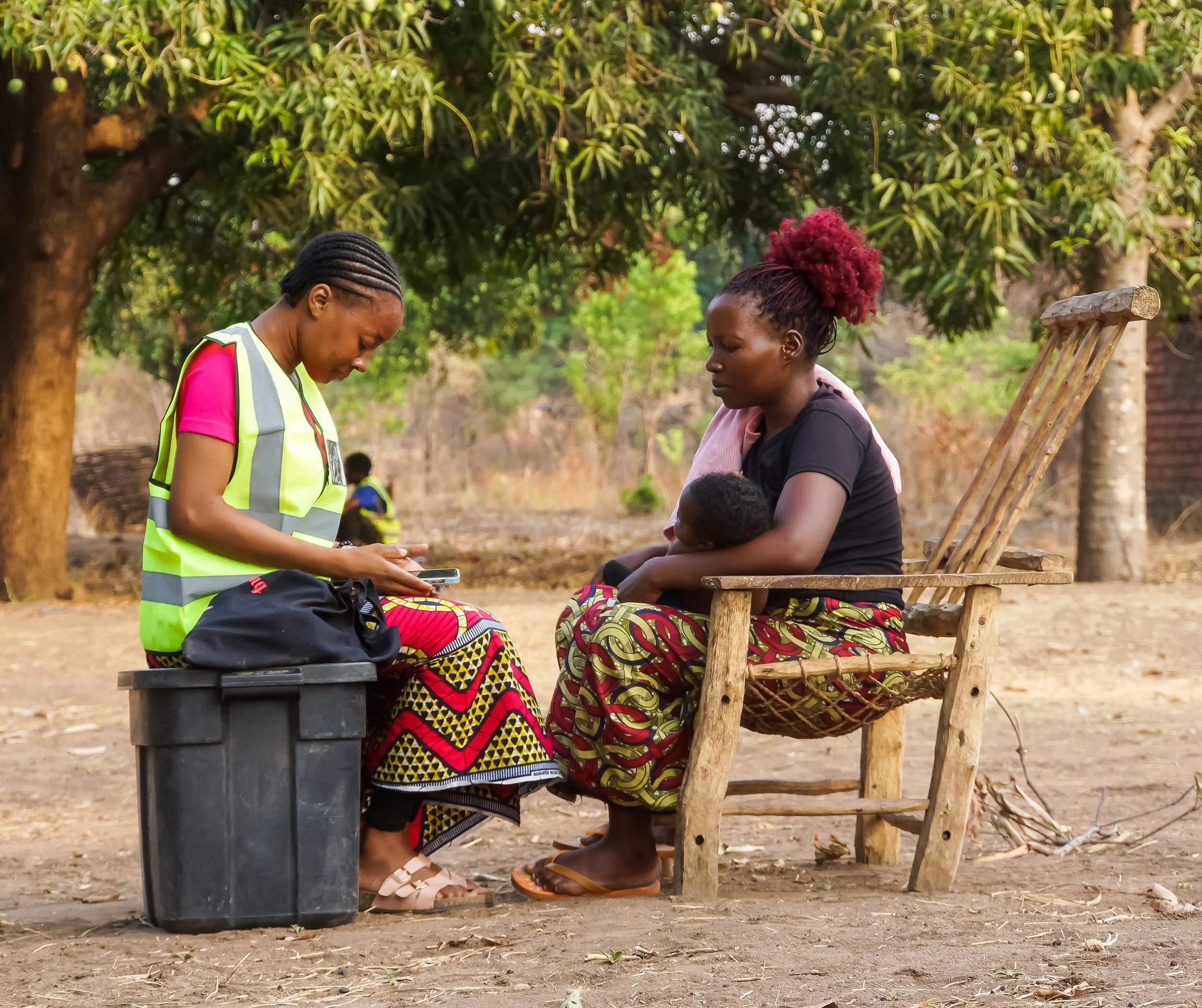
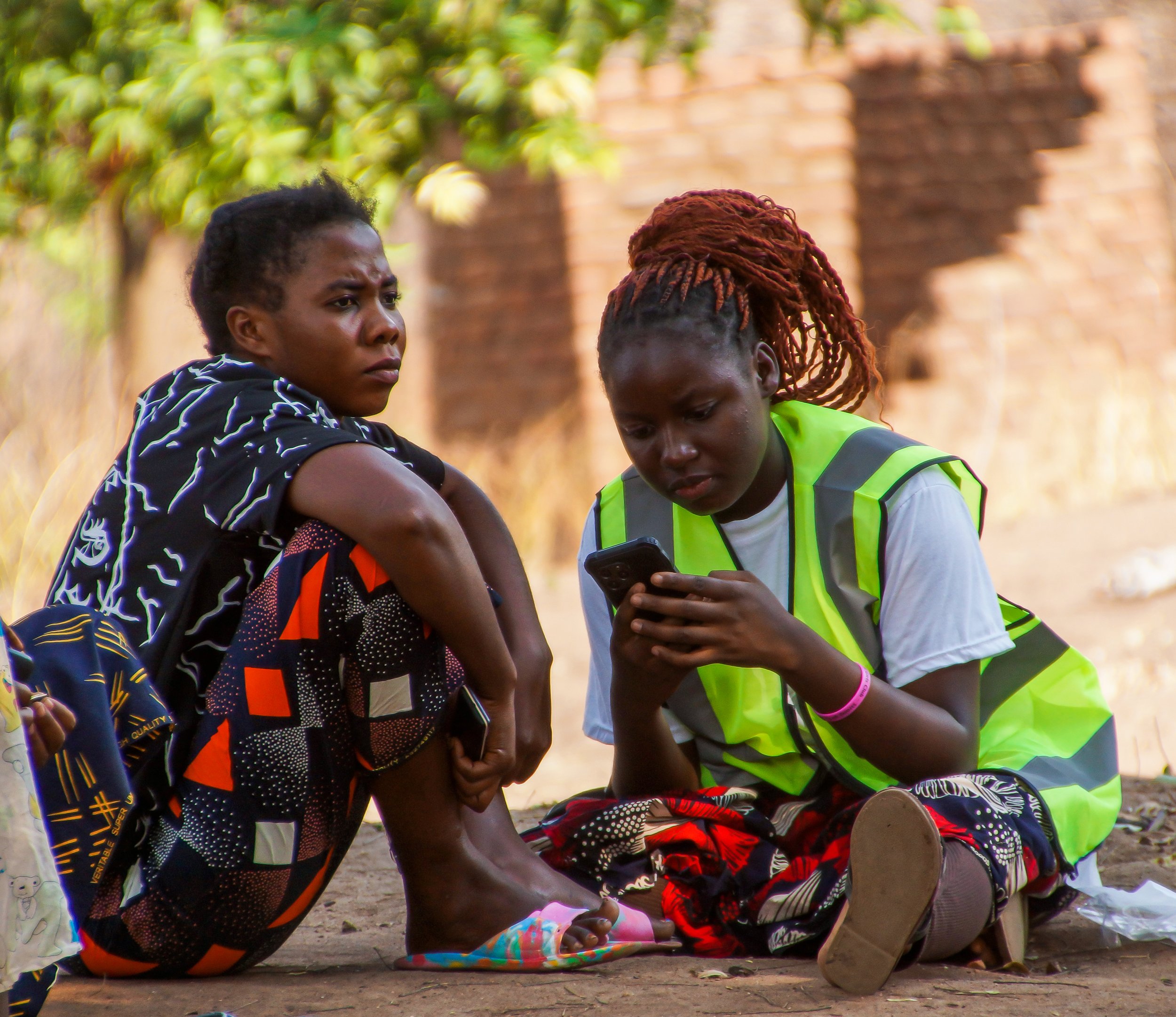
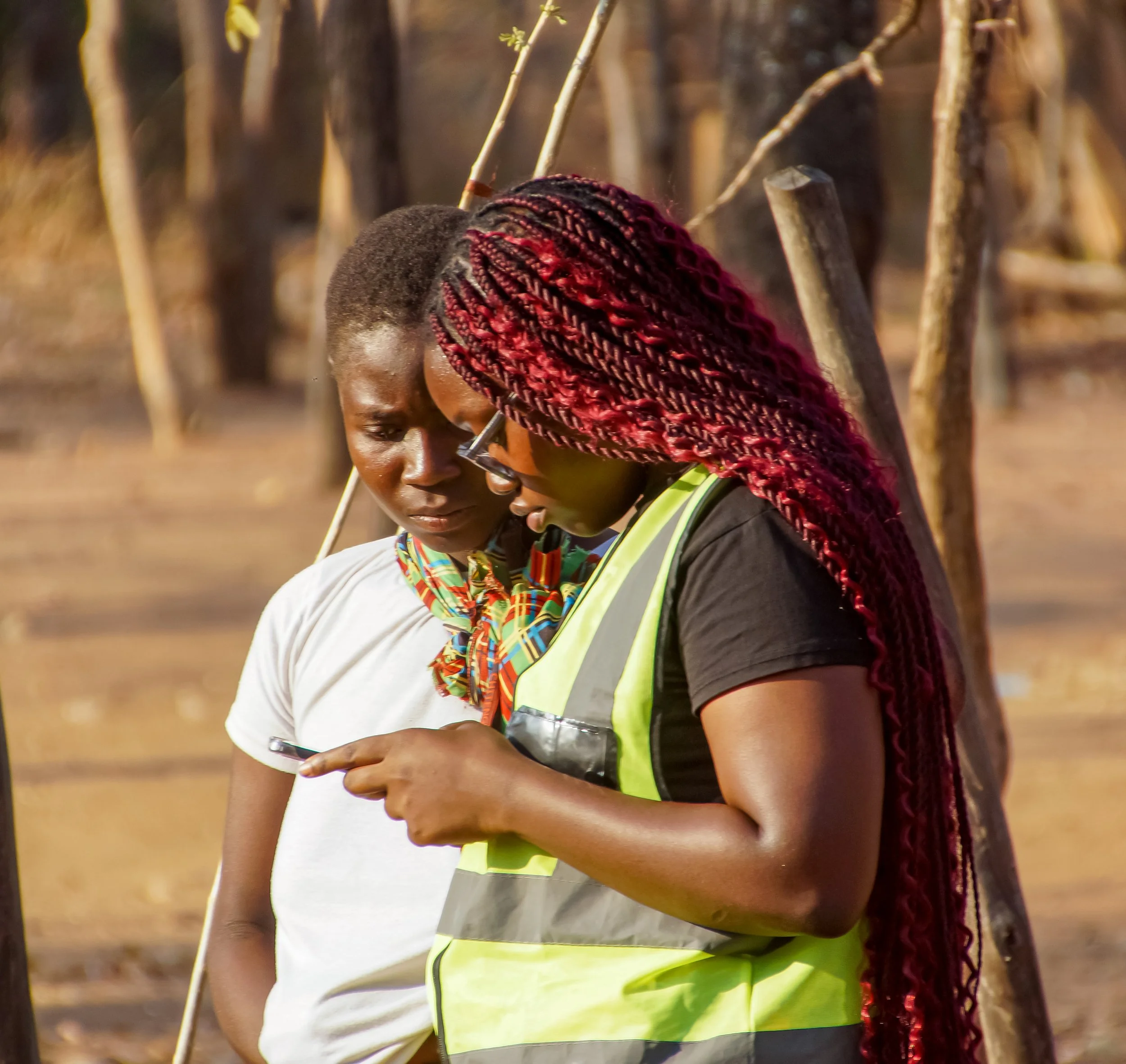
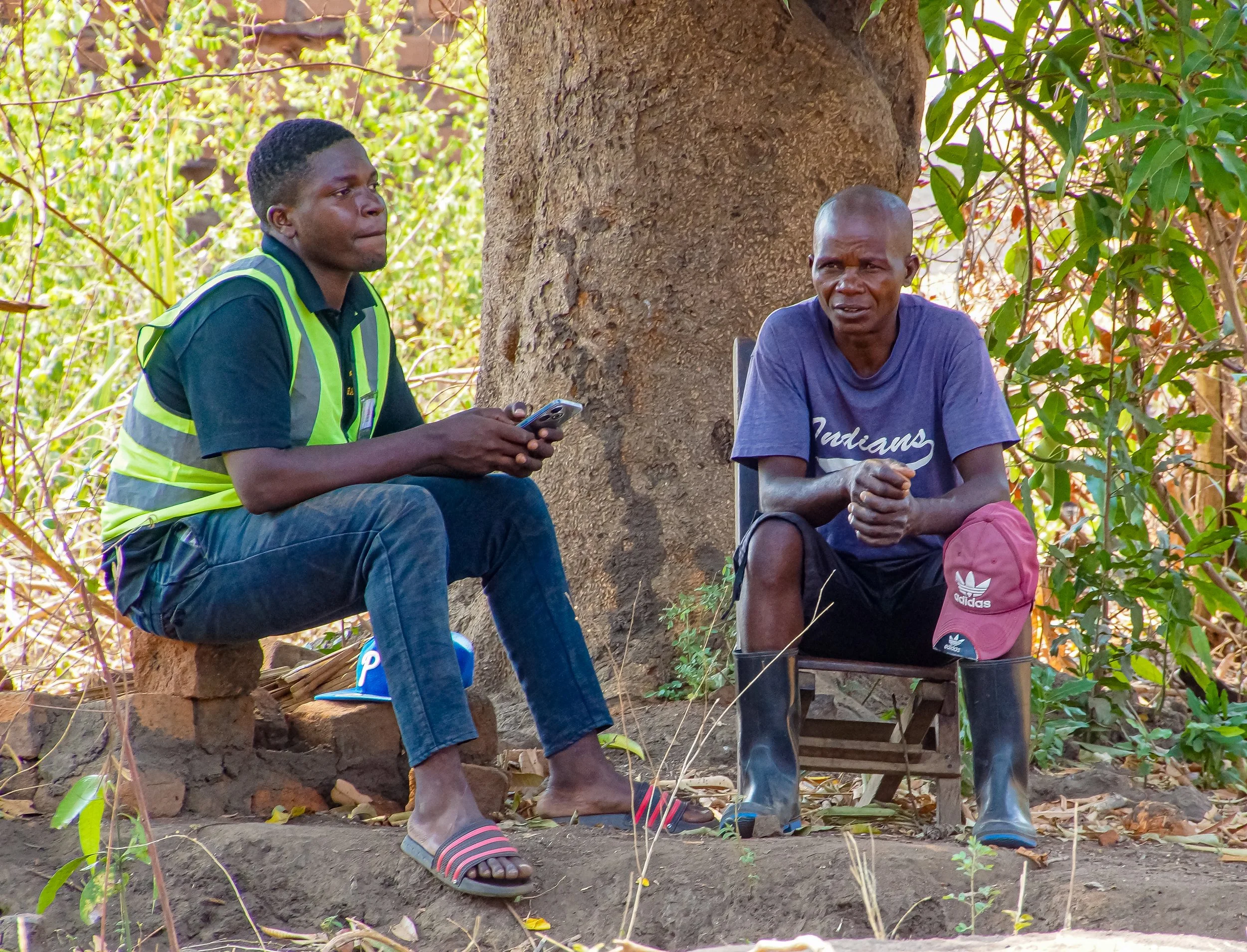
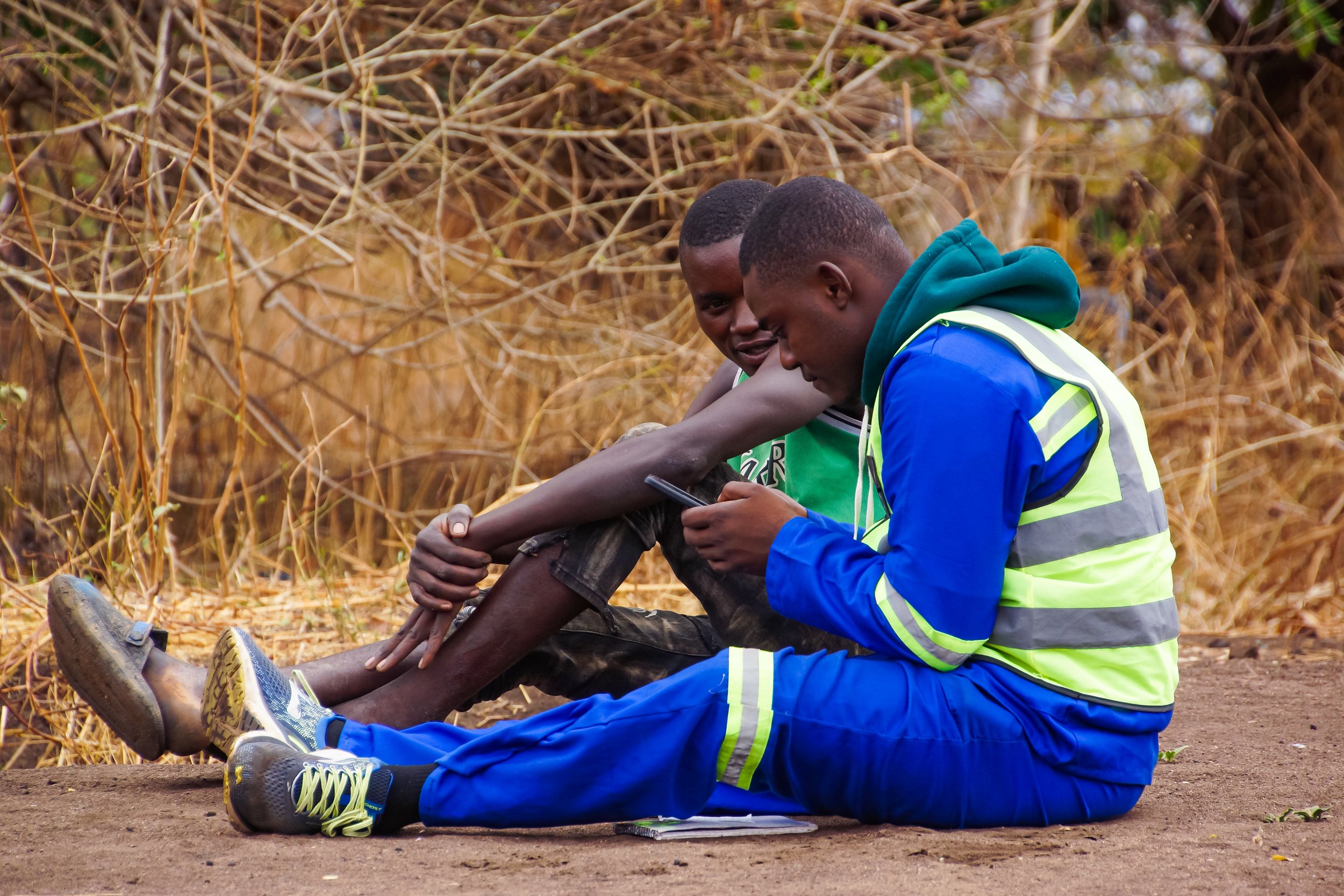
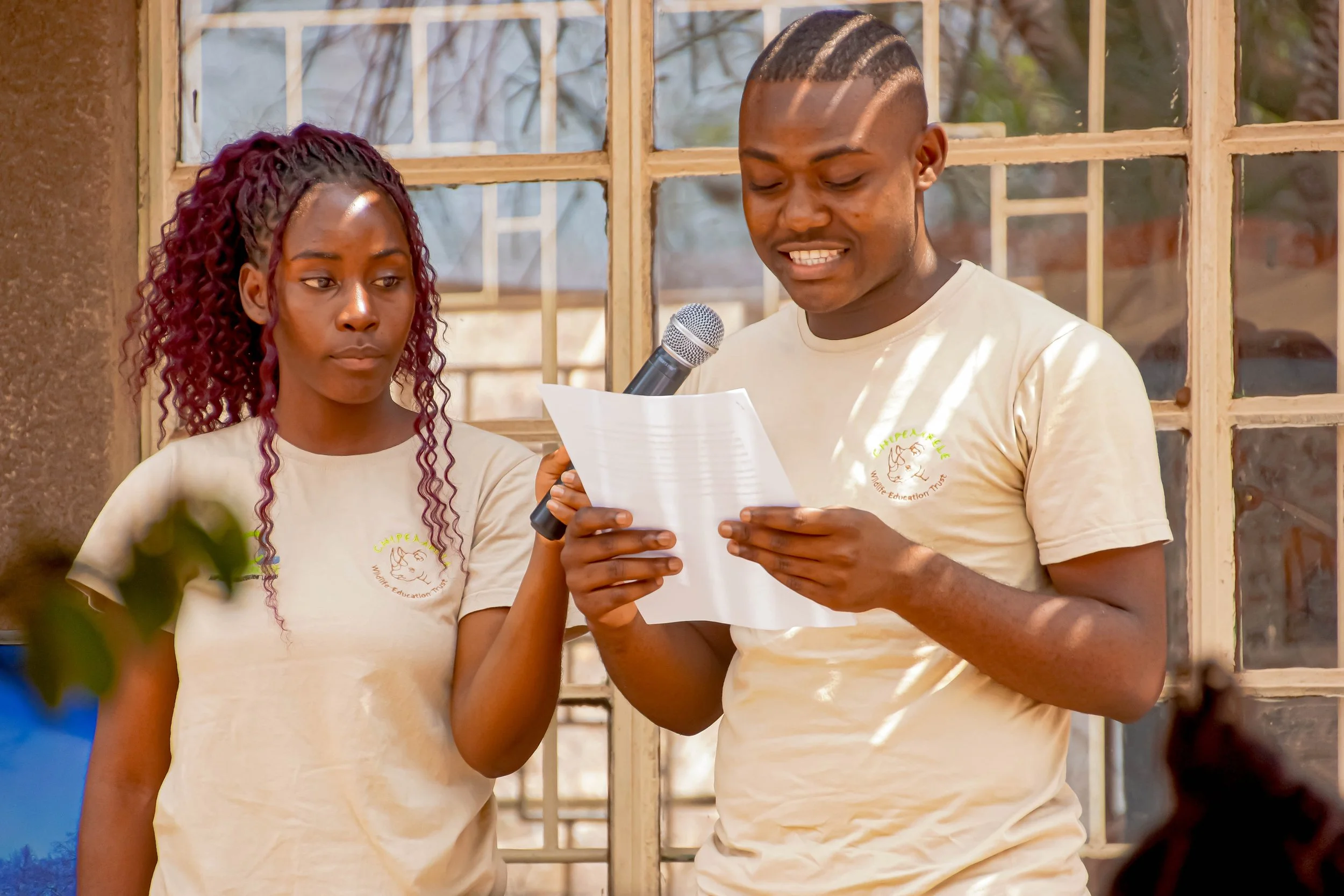
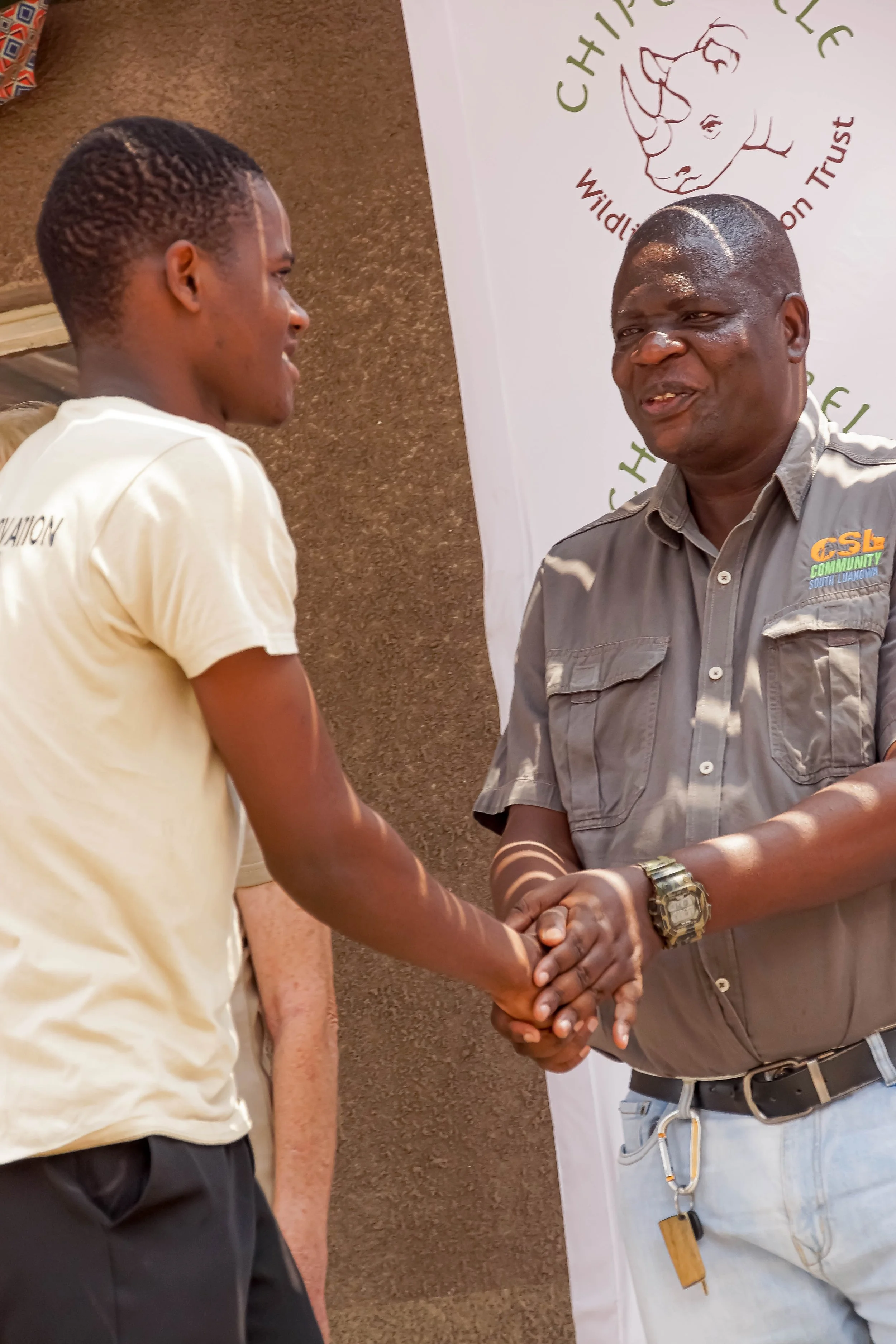
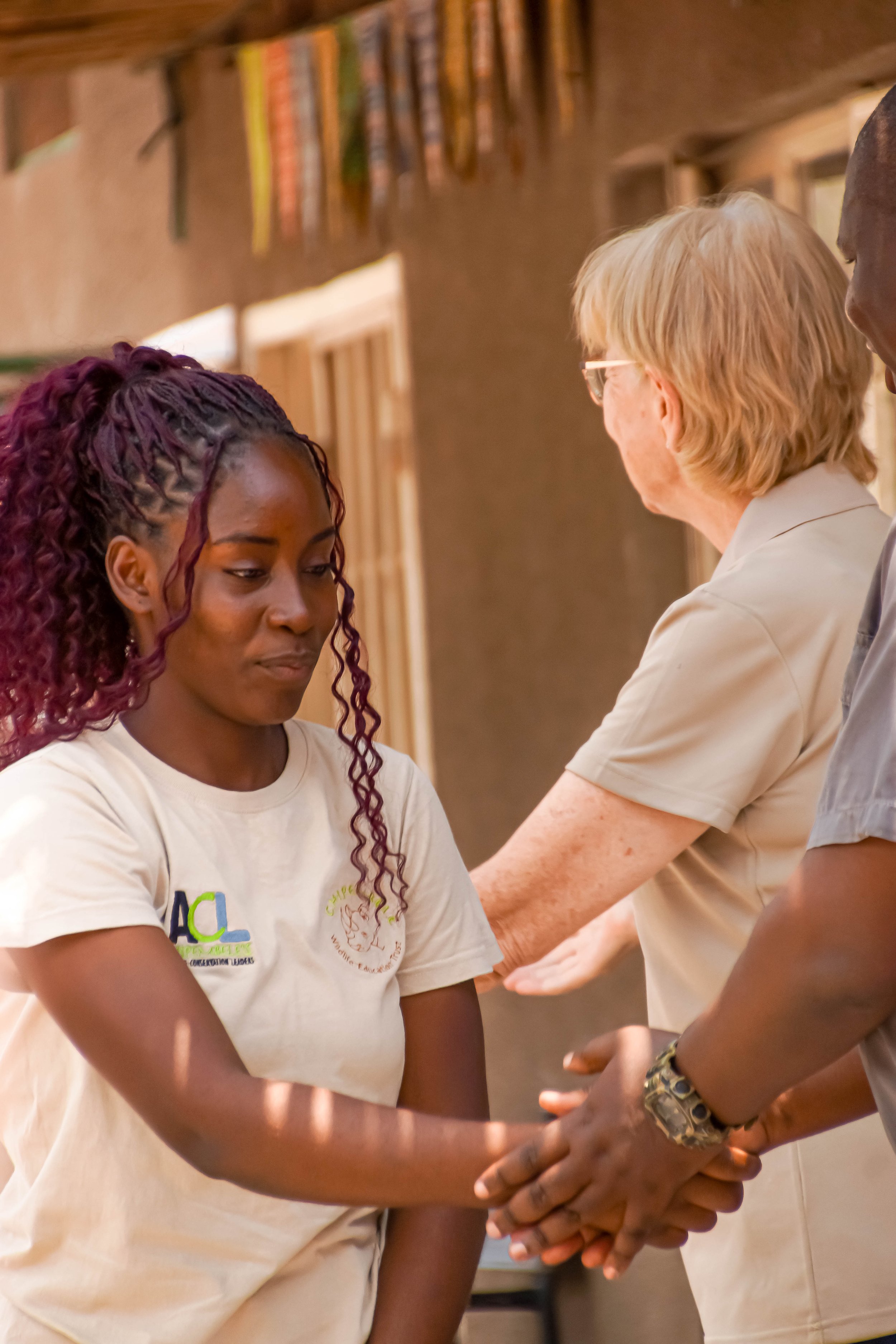
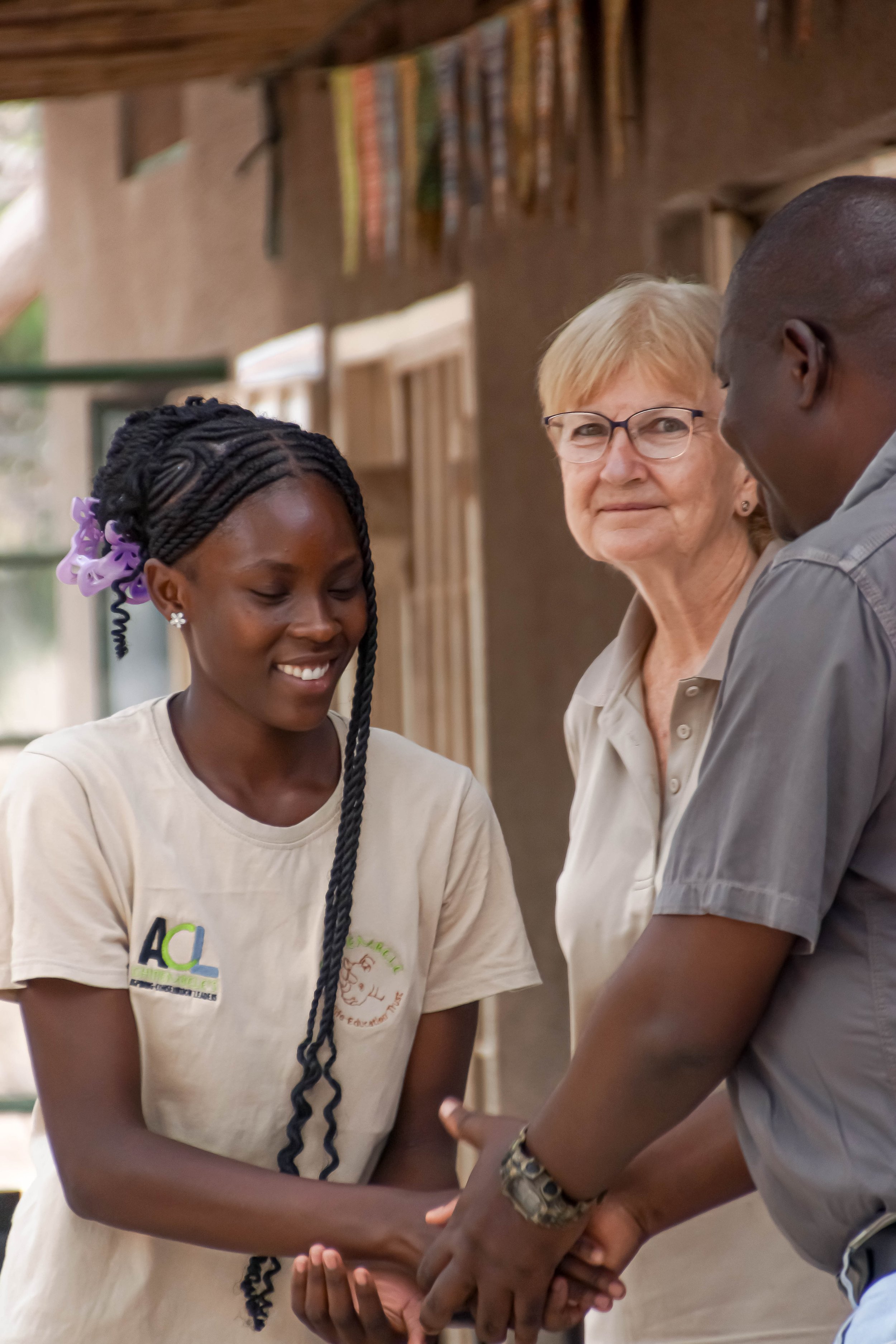
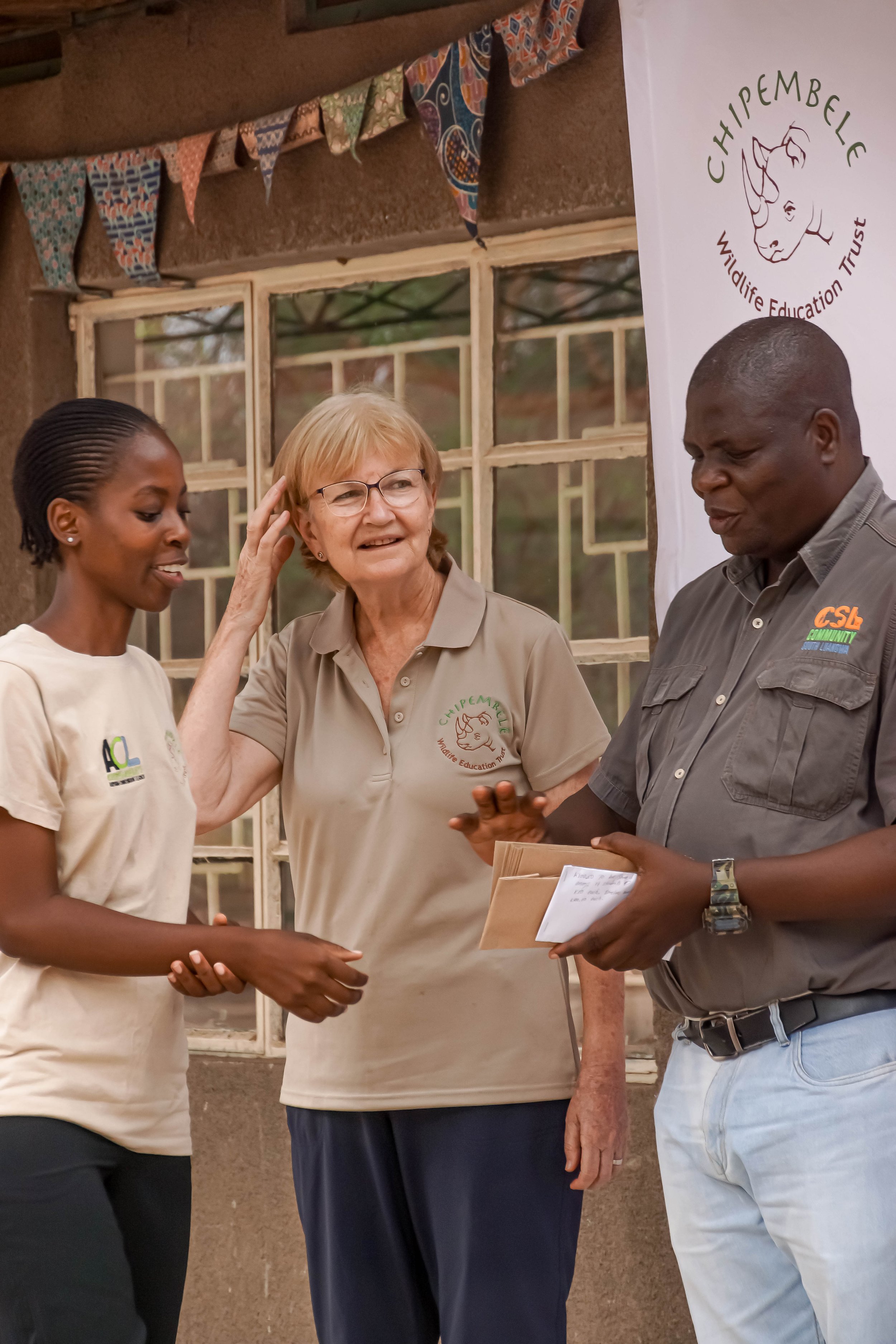
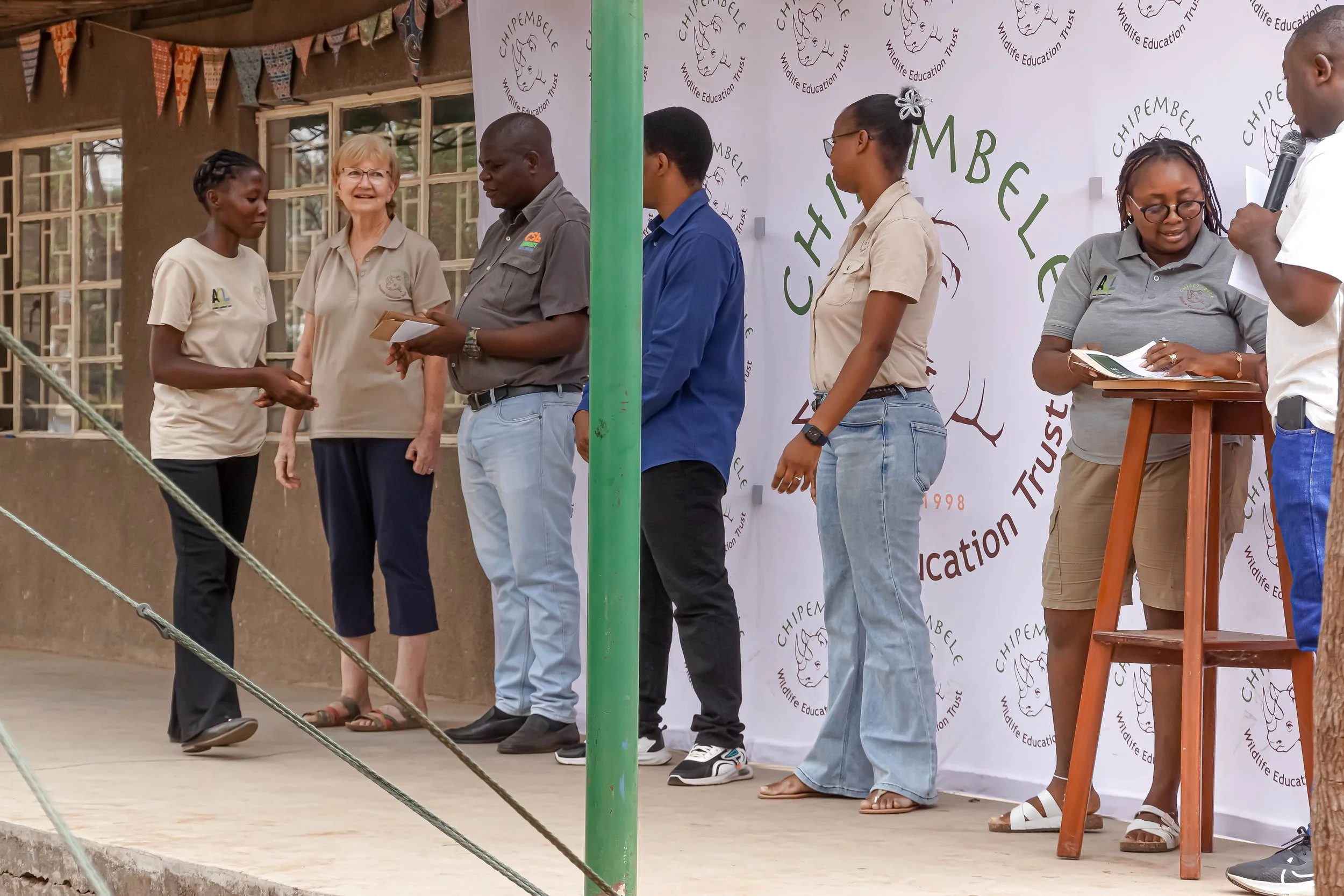
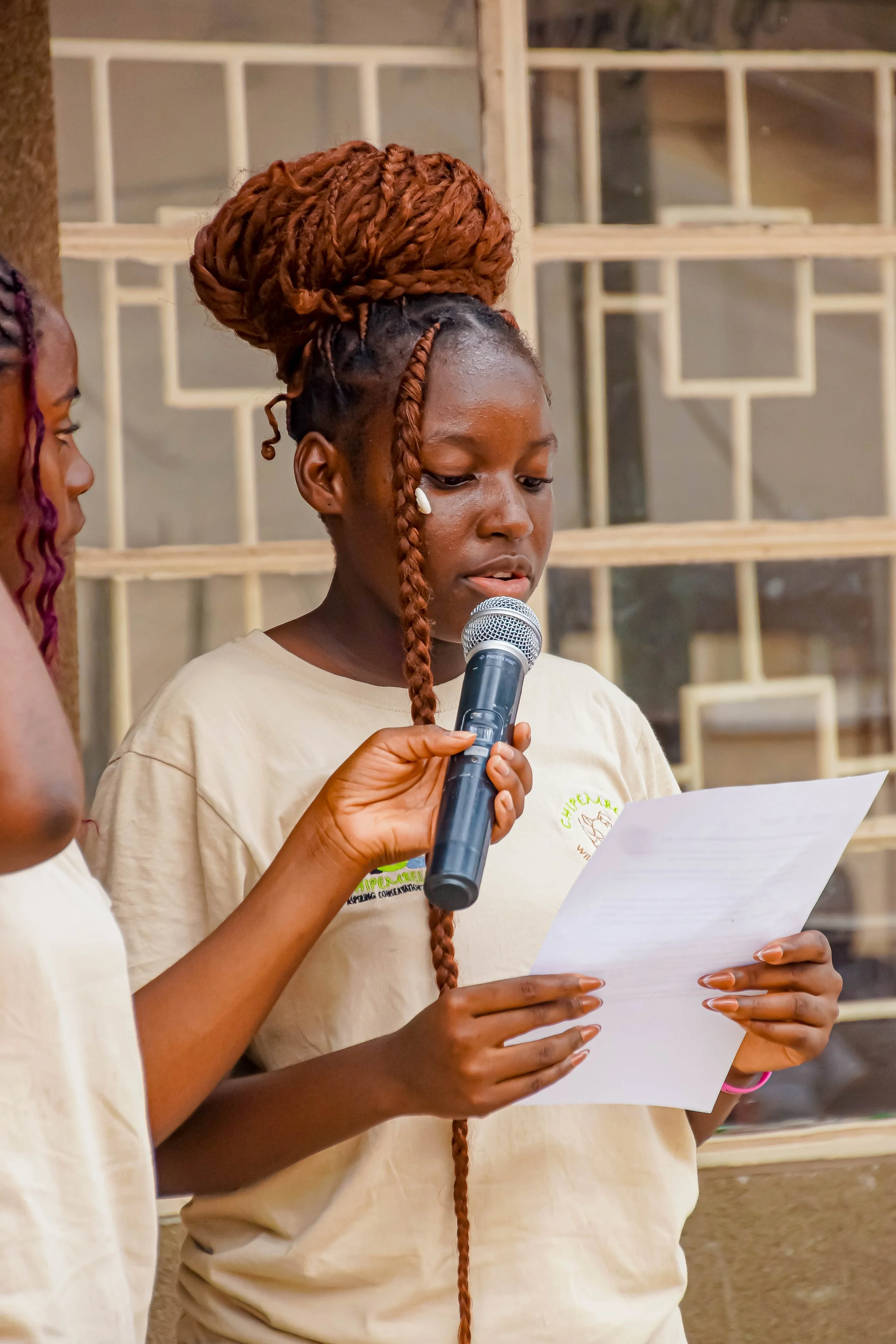
The Aspiring Conservation Leaders (ACLs) of Chipembele Wildlife Education Trust (CWET) joined us in a community engagement exercise during the Human-Elephant Coexistence film screenings. Through interviews with community members, they gathered perspectives and reflected on the experiences, concerns and expectations of people living alongside wildlife.
Chipembele Wildlife Education Trust is a Zambian non-governmental organisation established in 1998. Its mission is to teach children and communities around South Luangwa National Park the value of wildlife and the environment, and to support their conservation for present and future generations. Its work includes conservation education in schools and communities, conservation clubs, learning activities and community discussions on environmental issues.
For the ACLs, the experience was not limited to learning how to ask questions. It gave the ACLs an opportunity to hear directly from people with different experiences of human-wildlife conflict and to consider why community perspectives must inform conservation work.
ACLs conduting interviews
These conversations matter because people living alongside wildlife are not simply audiences for conservation messages. They hold first-hand knowledge of the challenges and changes taking place in their communities. Listening to their experiences is an important part of understanding human-wildlife conflict and shaping more responsive coexistence initiatives.
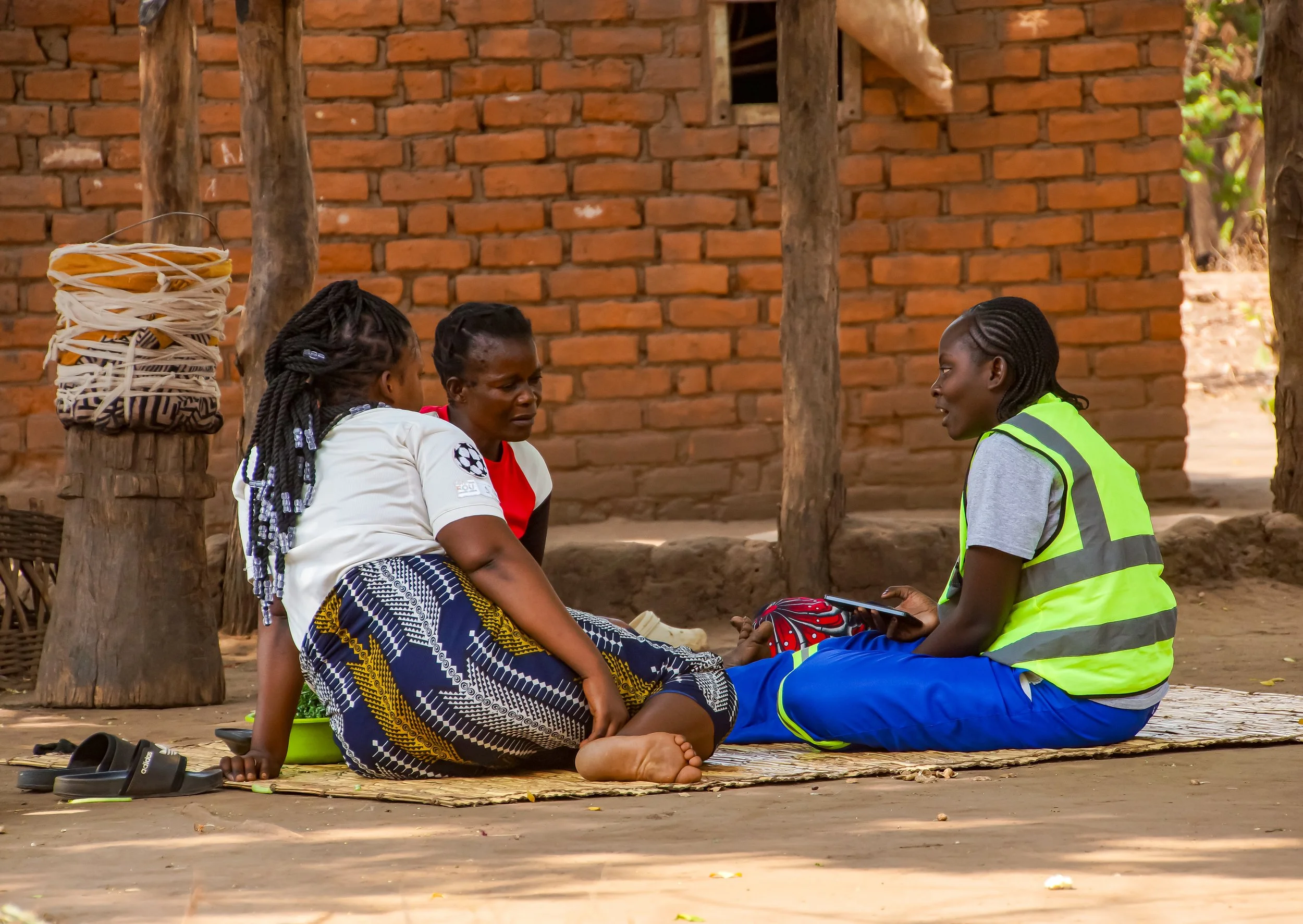
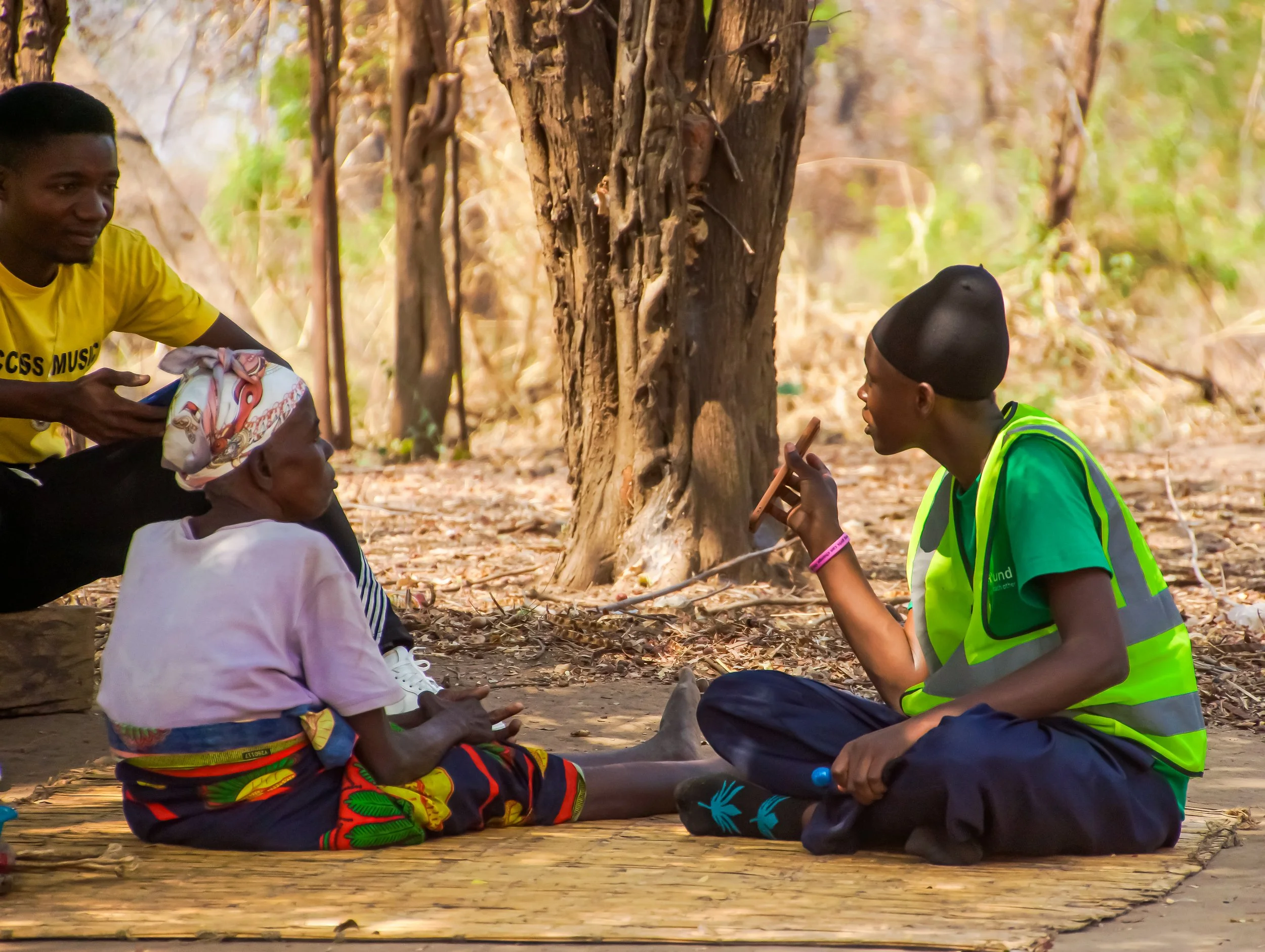
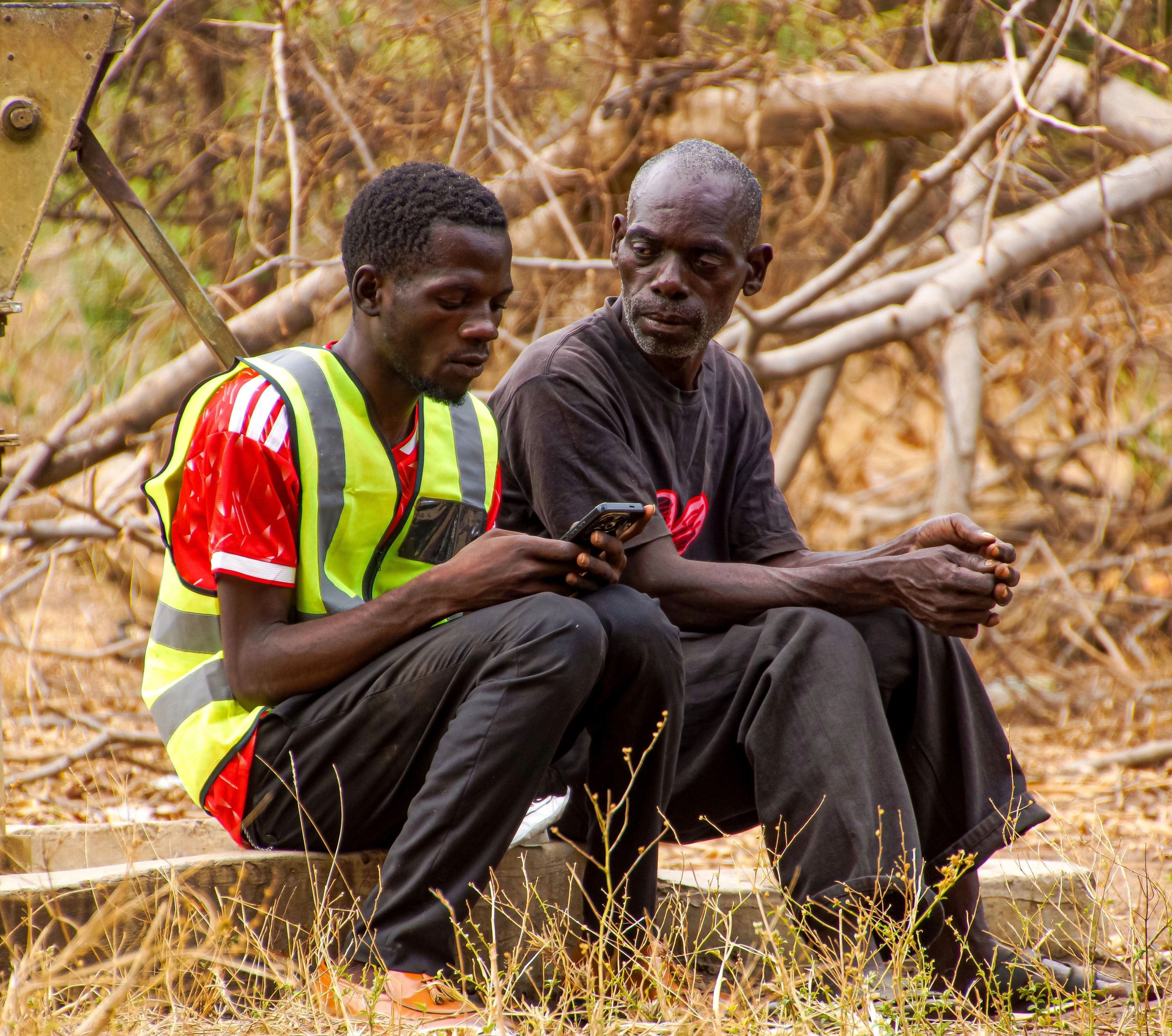
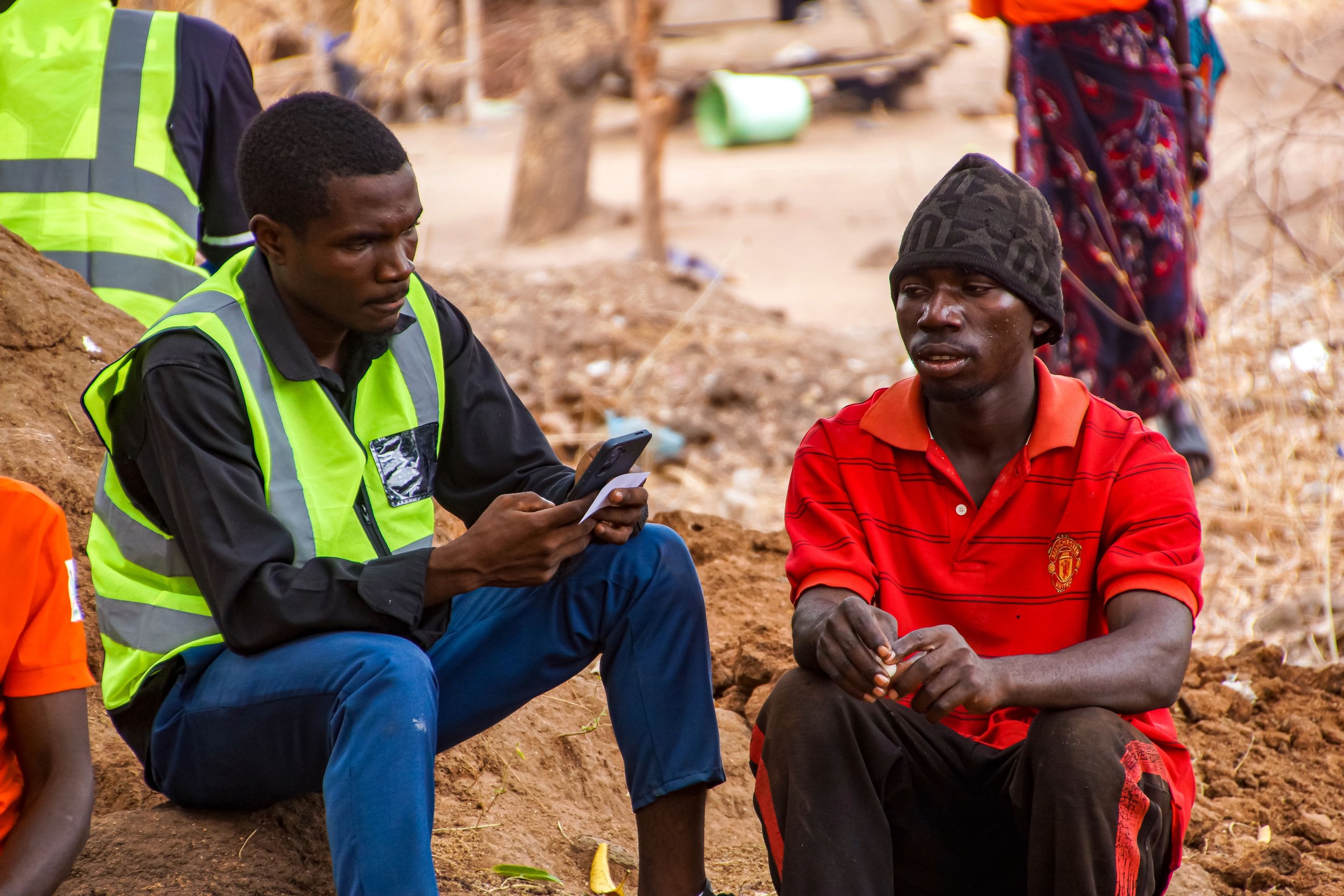
Photographer credits: Divaison Kumwenda and Chanda Mutuna
Meet the Aspiring Conservation Leaders (ACLs)
Behind every interview is a young person with their own interests, ambitions and perspective on conservation. The profiles below introduce the ACLs who shared their experiences of the exercise. Their reflections highlight different lessons, from community engagement and data collection to empathy, resilience, leadership and the importance of including communities in decisions that affect them.
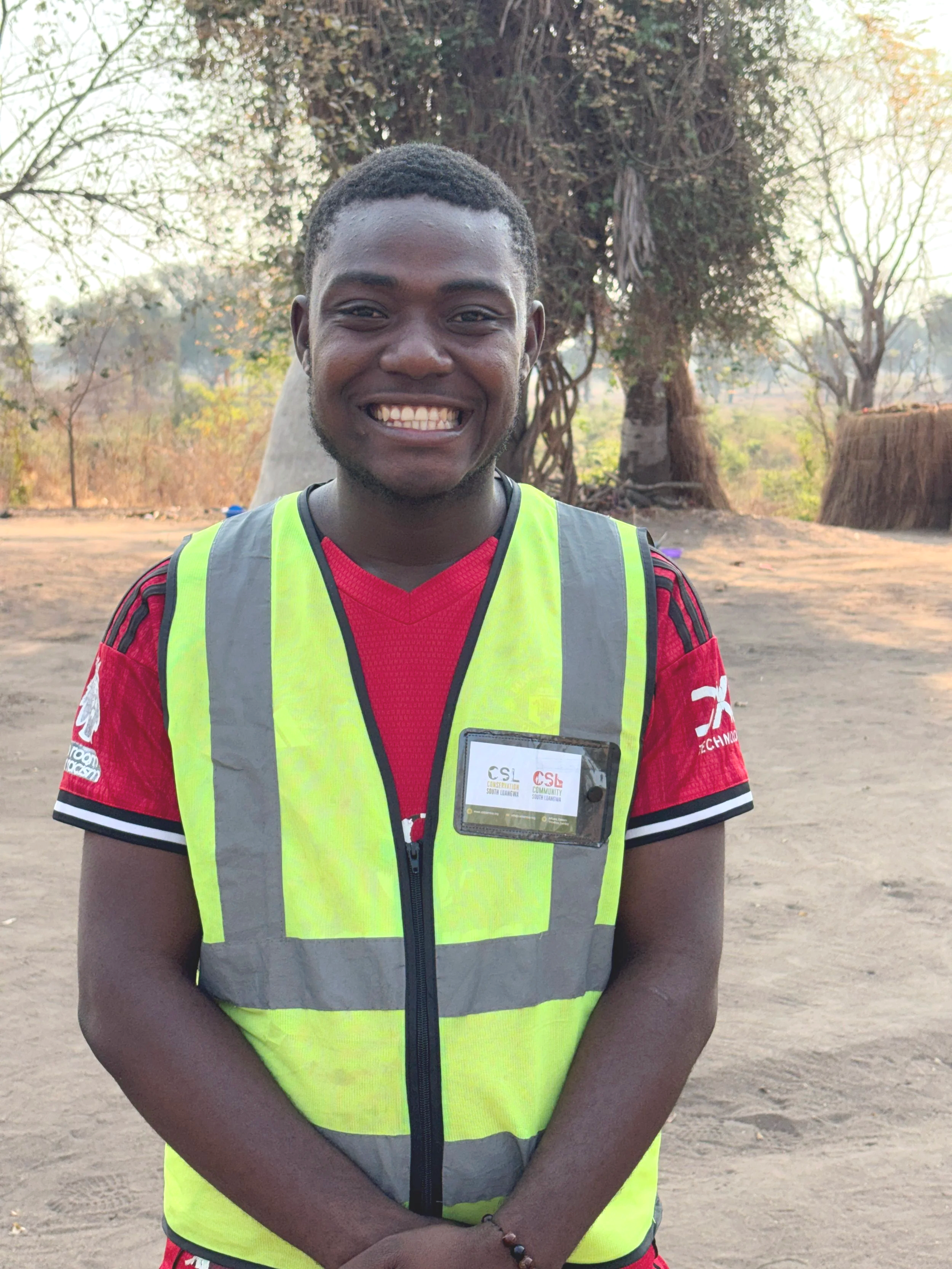
CHISOMIO DAVID ZULU
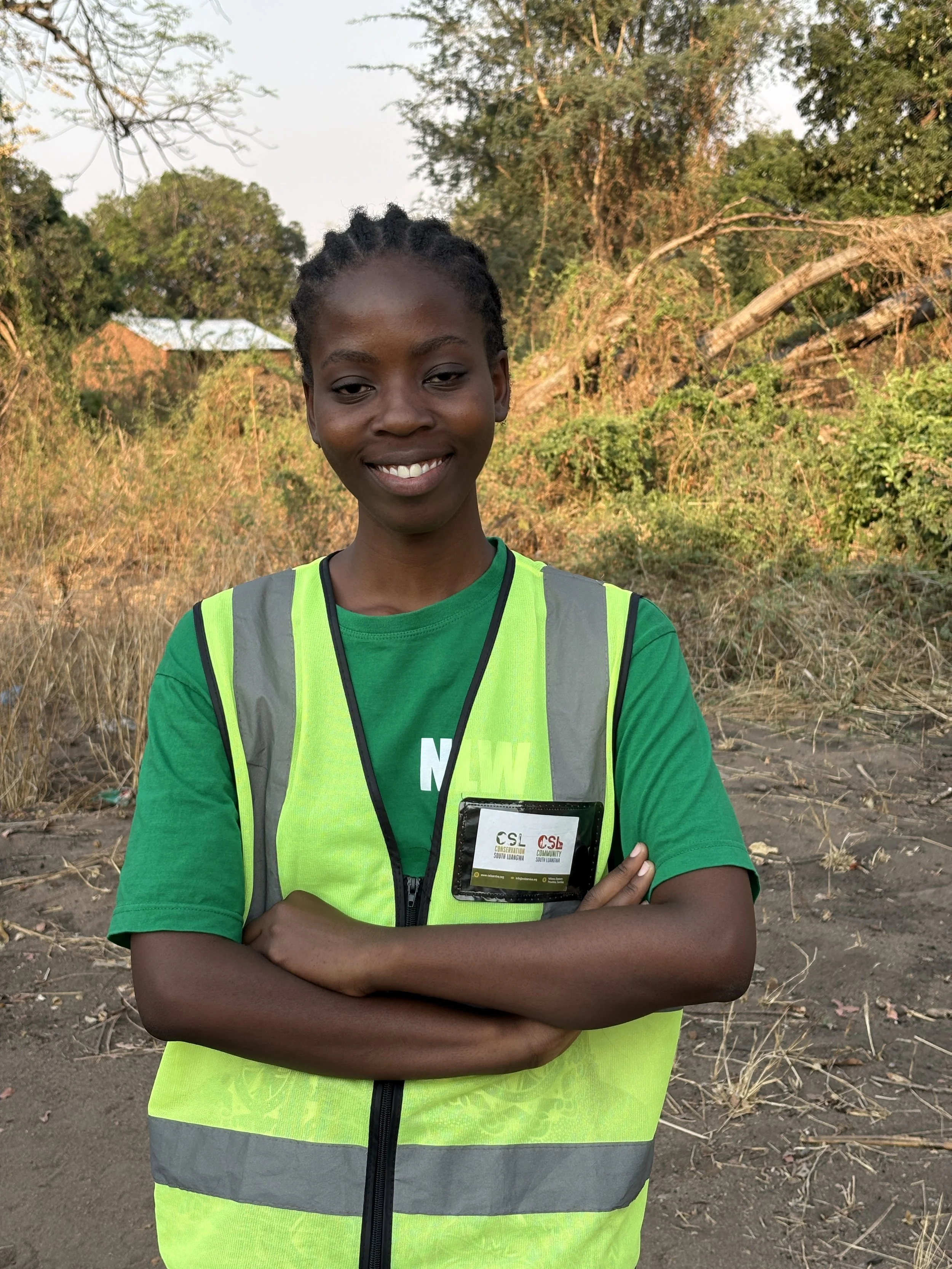
iREEN BANDA
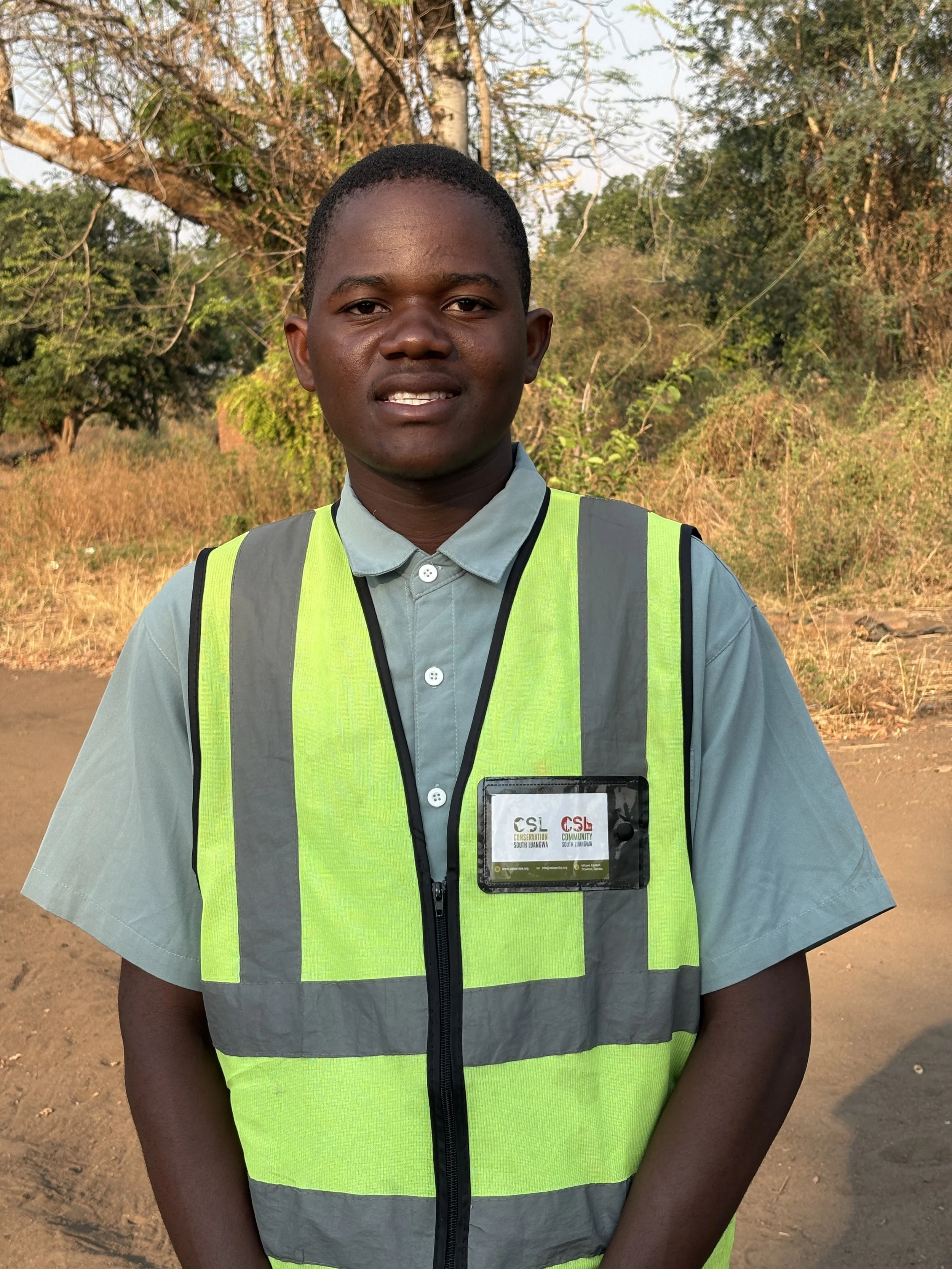
CHIFUMU PHIRI
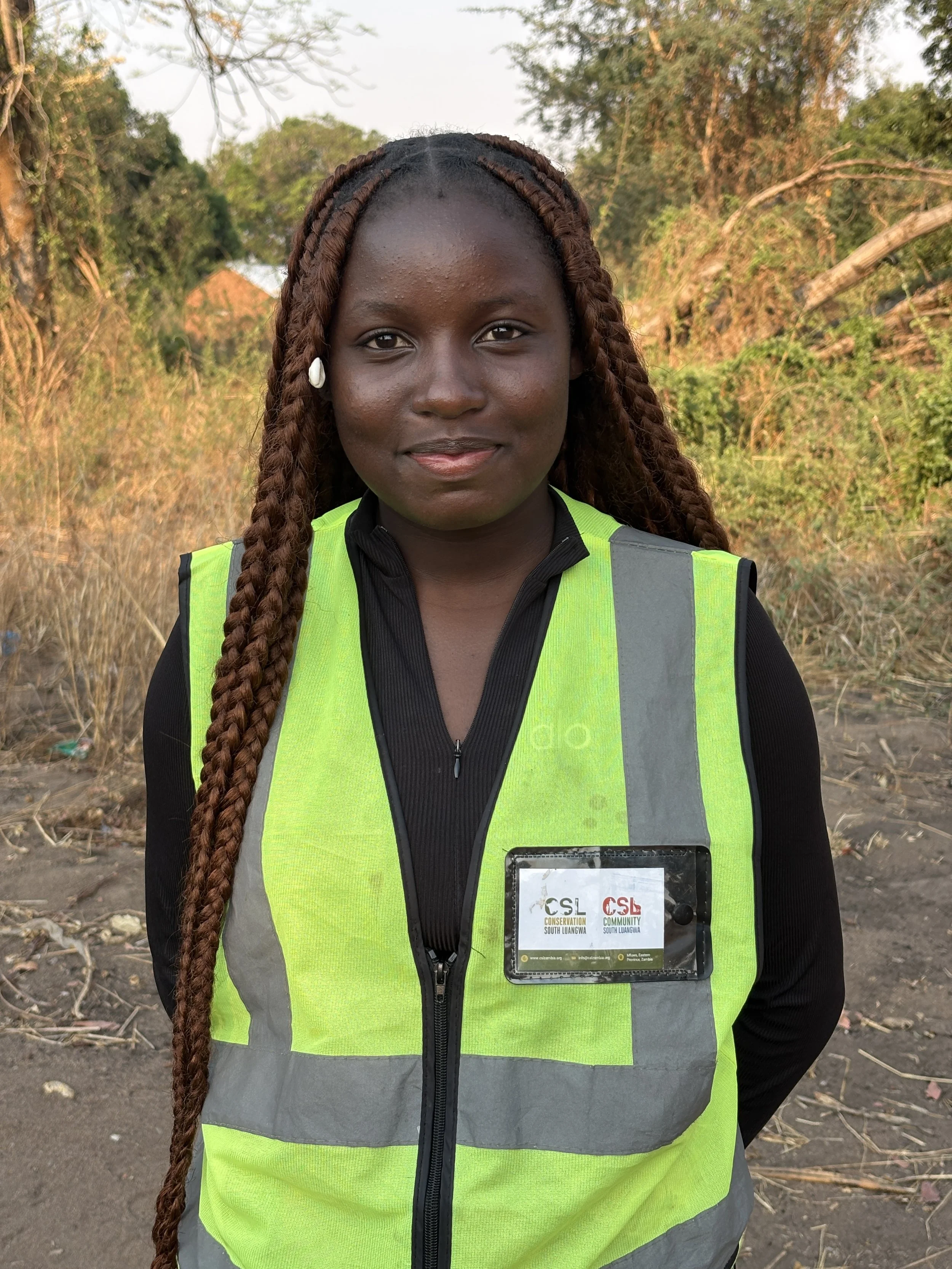
michelle manda
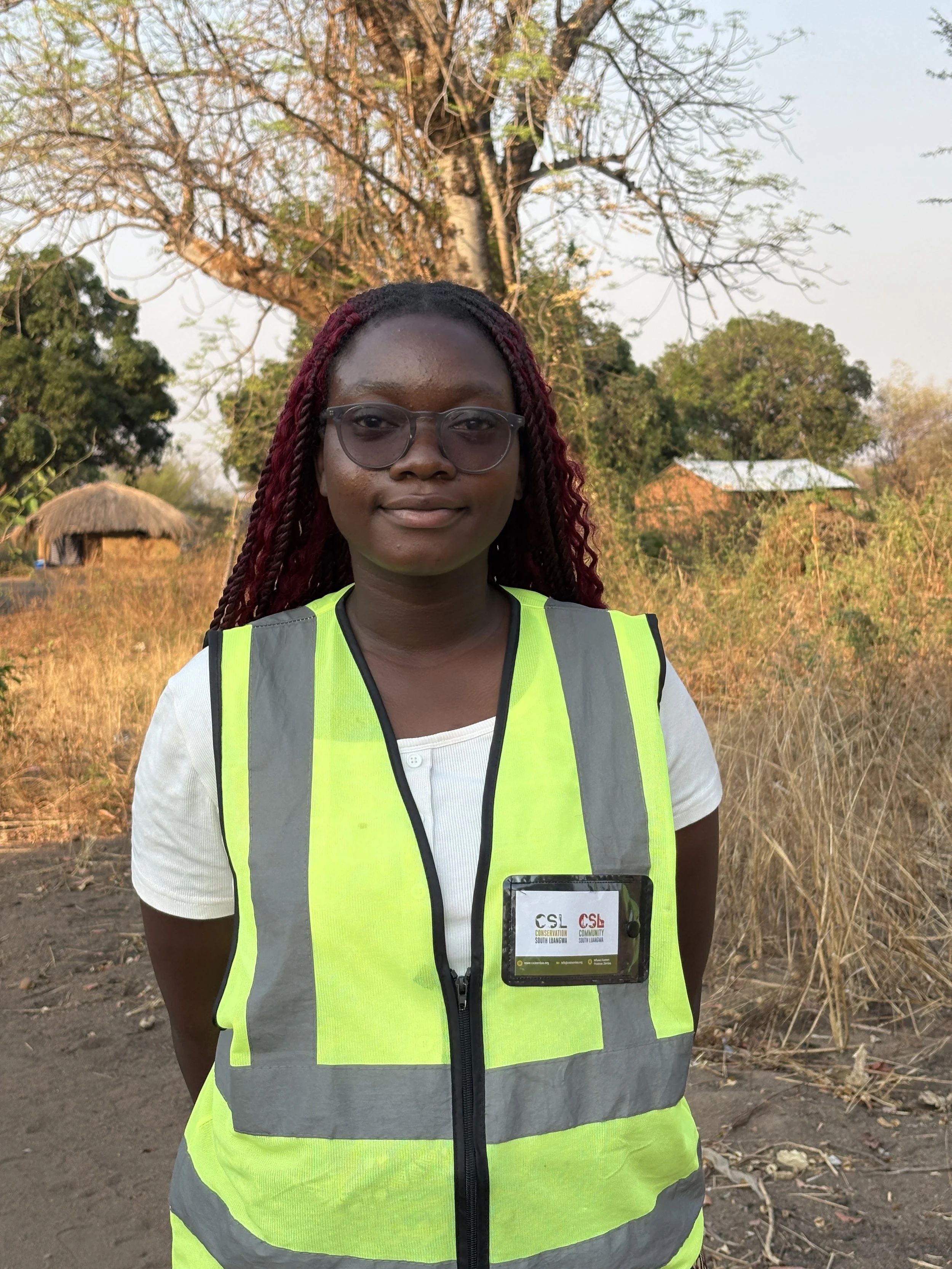
Jacqueline Tembo
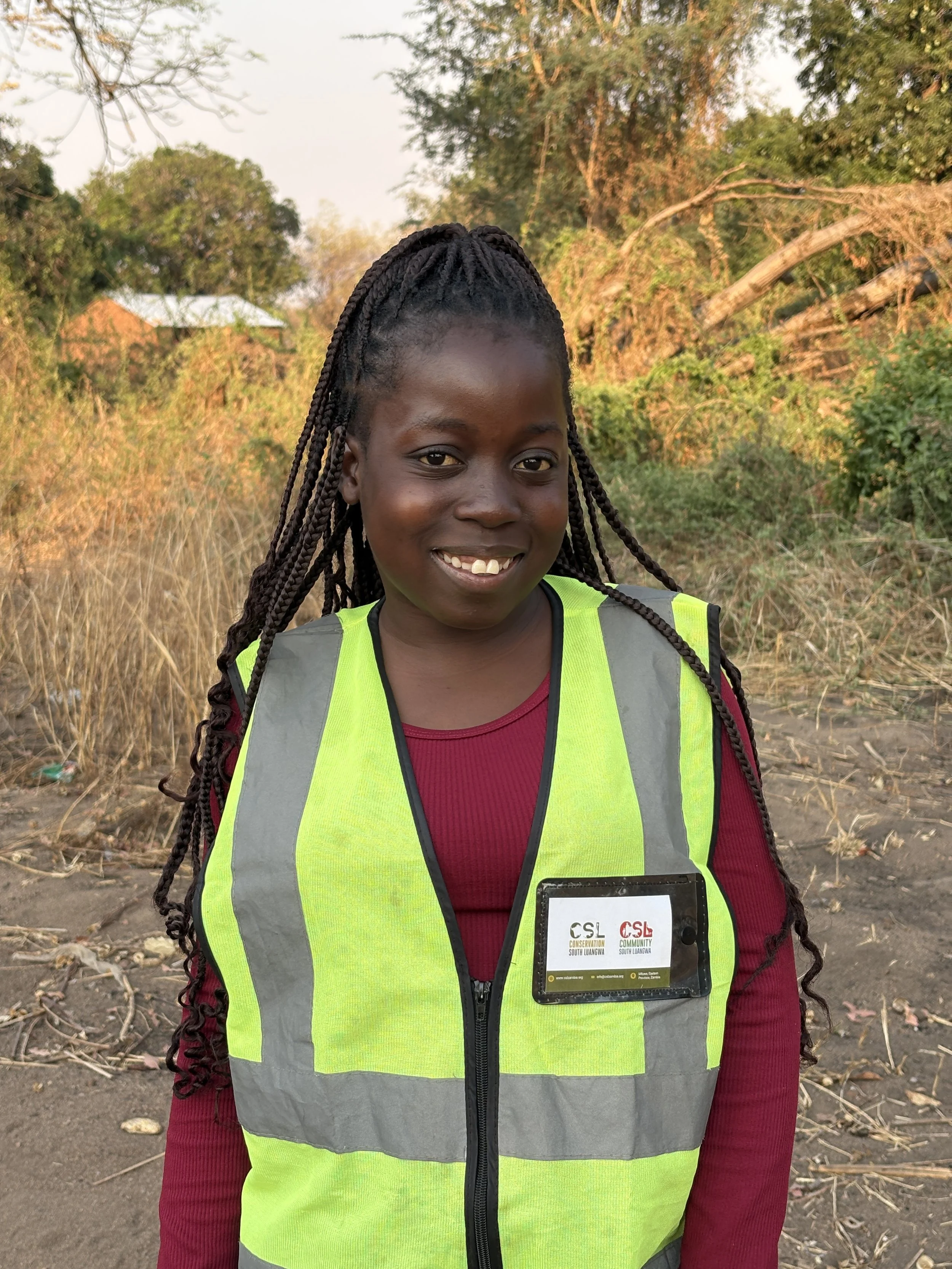
Susan Phiri
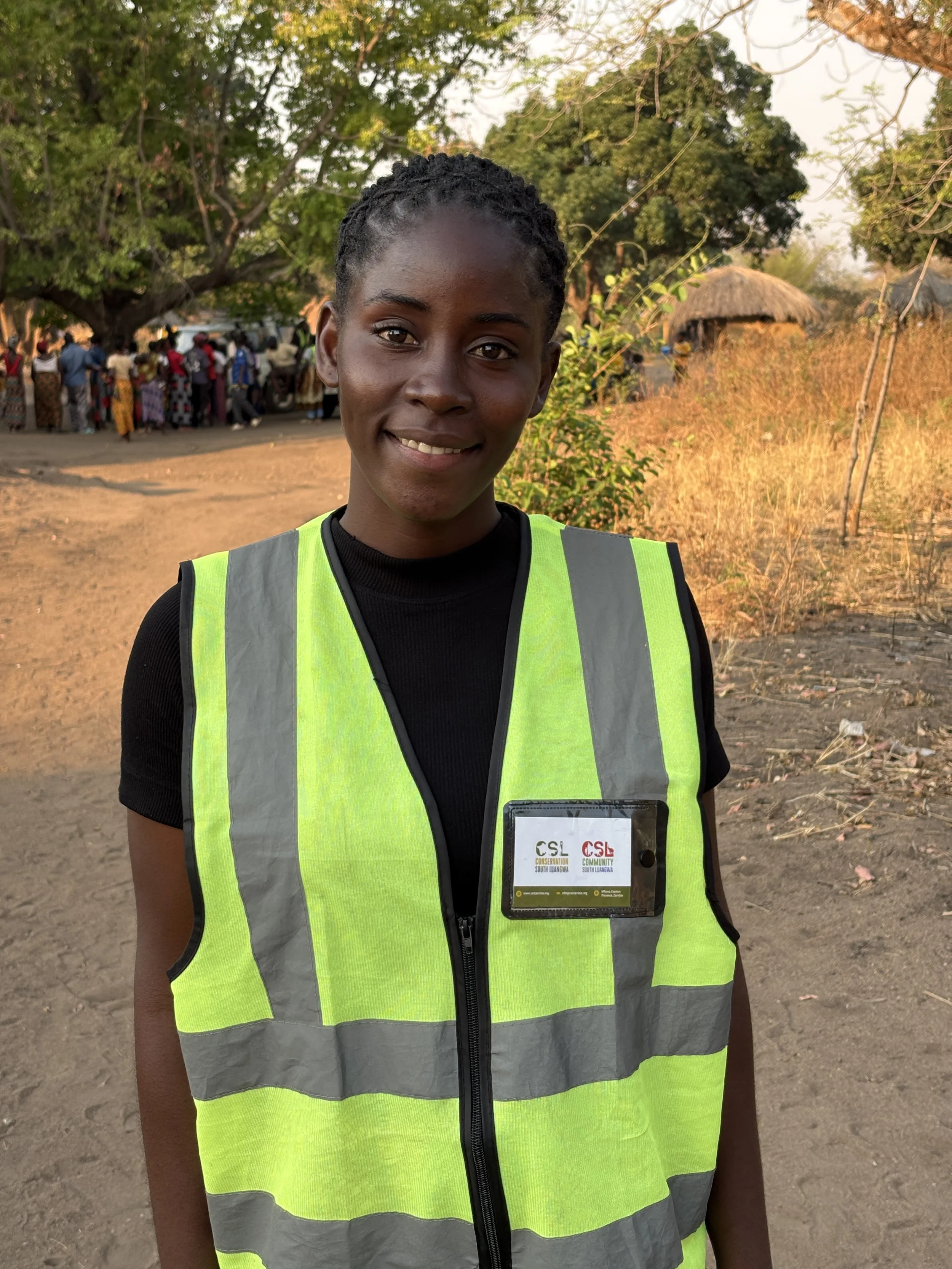
ESNART ZULU
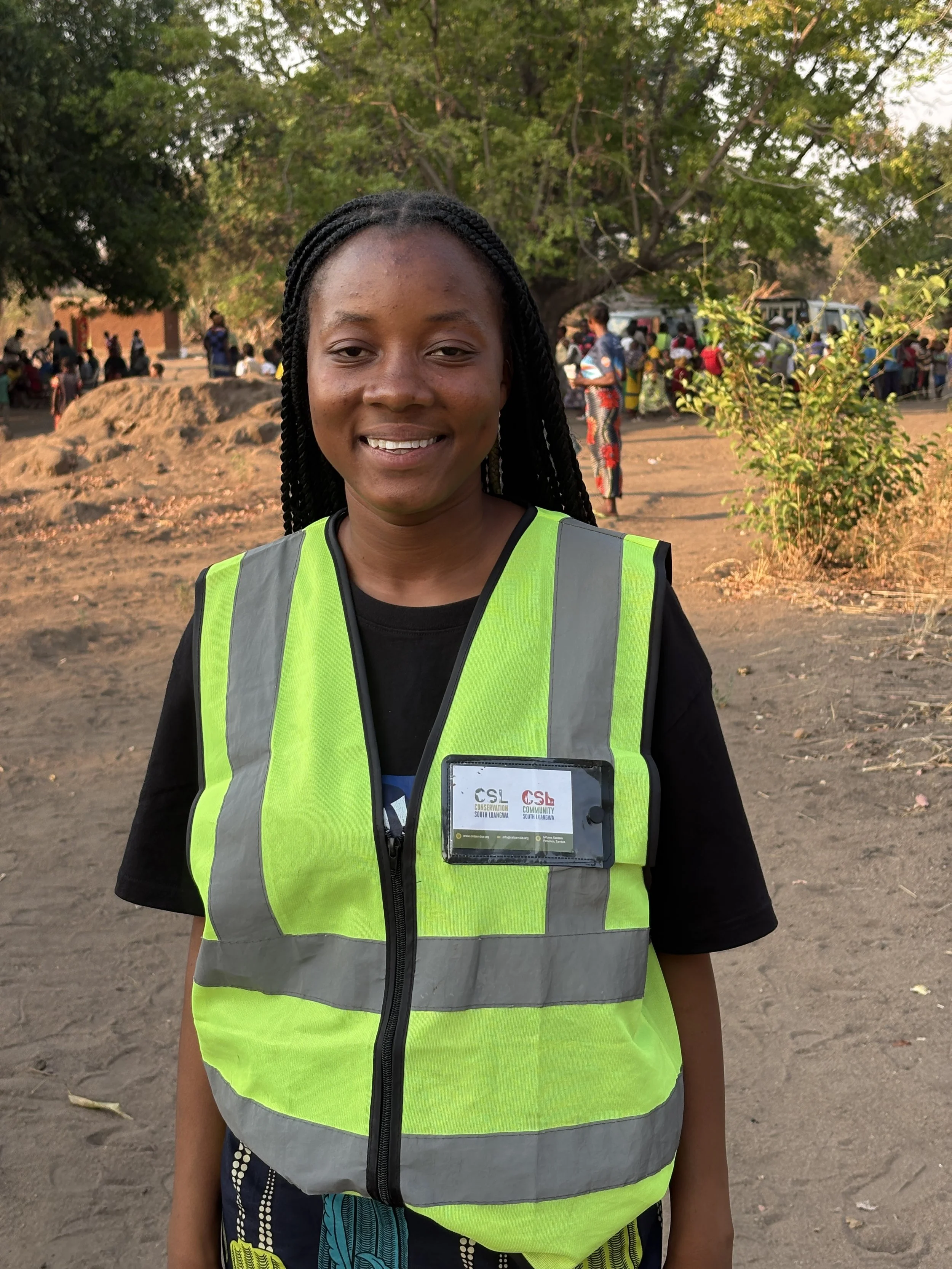
dorothy banda
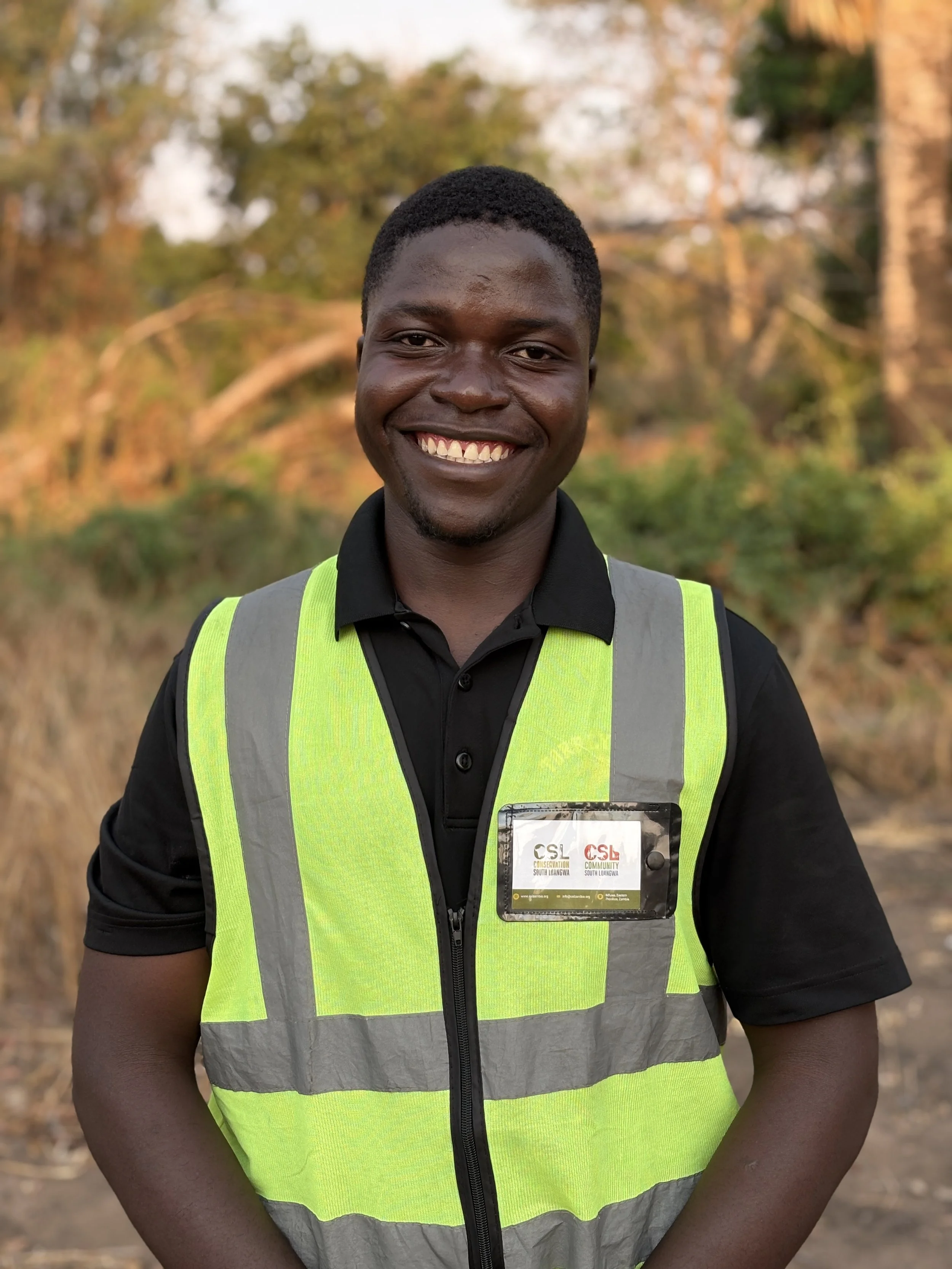
kenneth mbewe
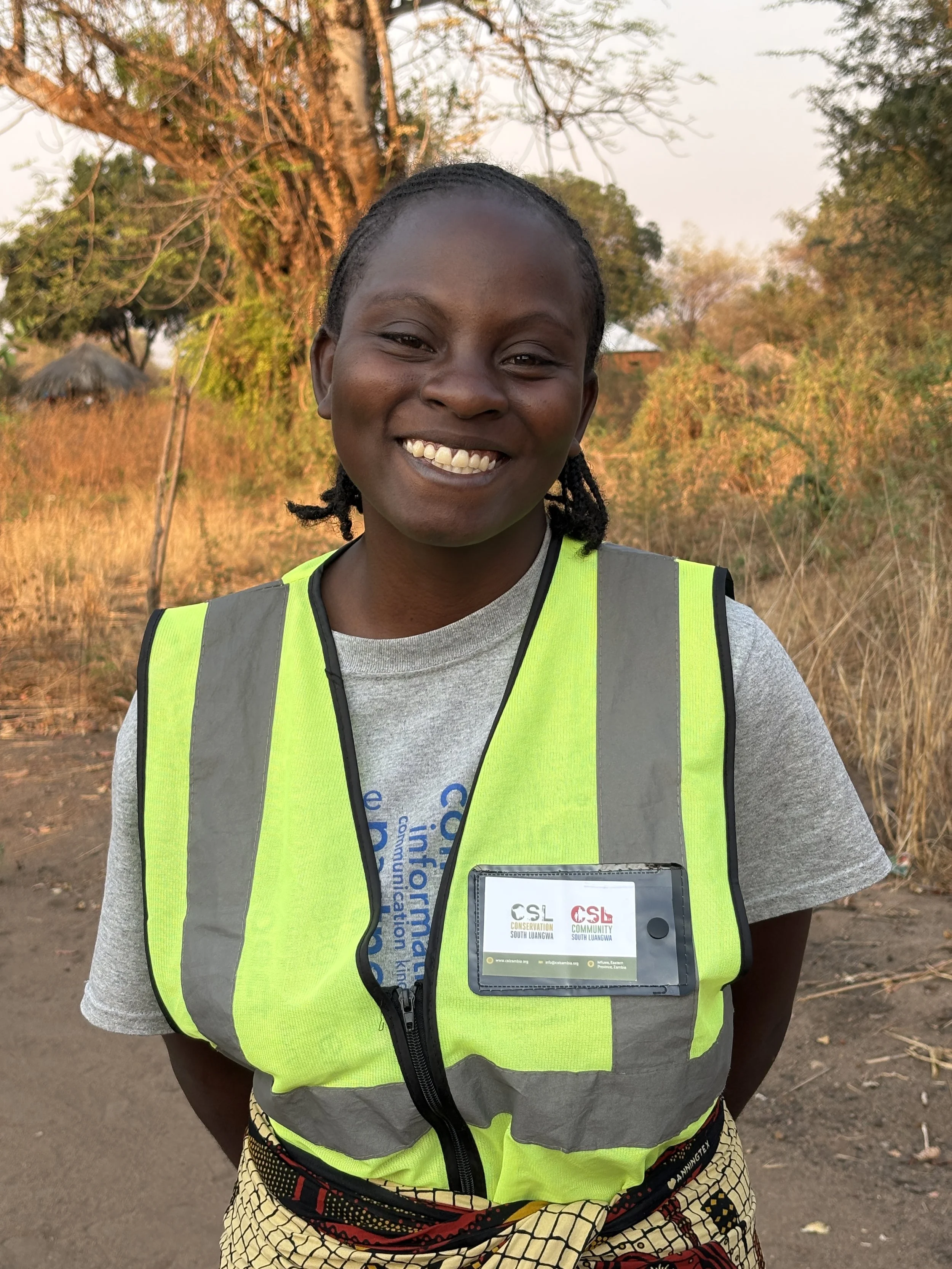
GRACE MUSANGO
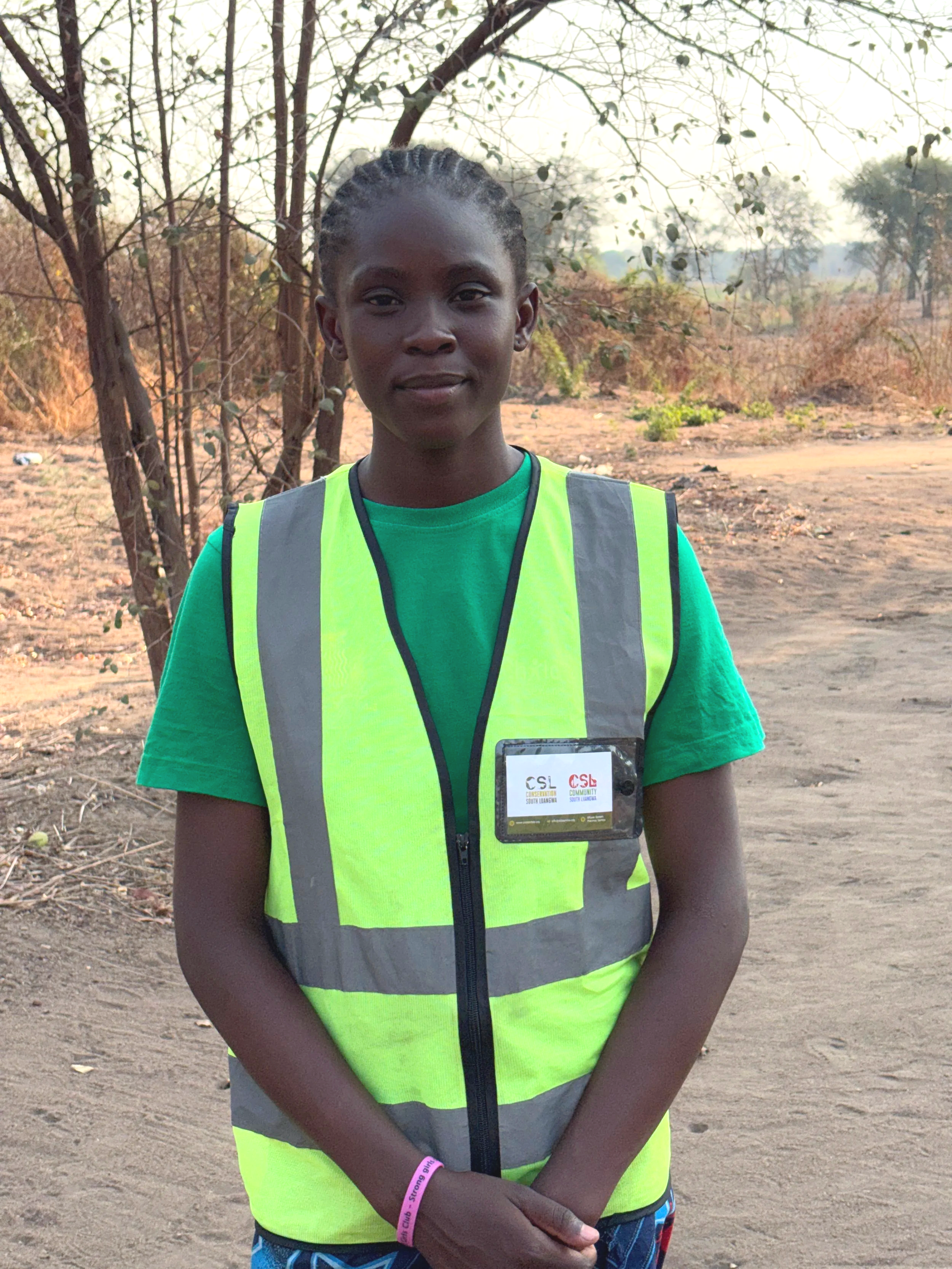
Precious Kumwenda
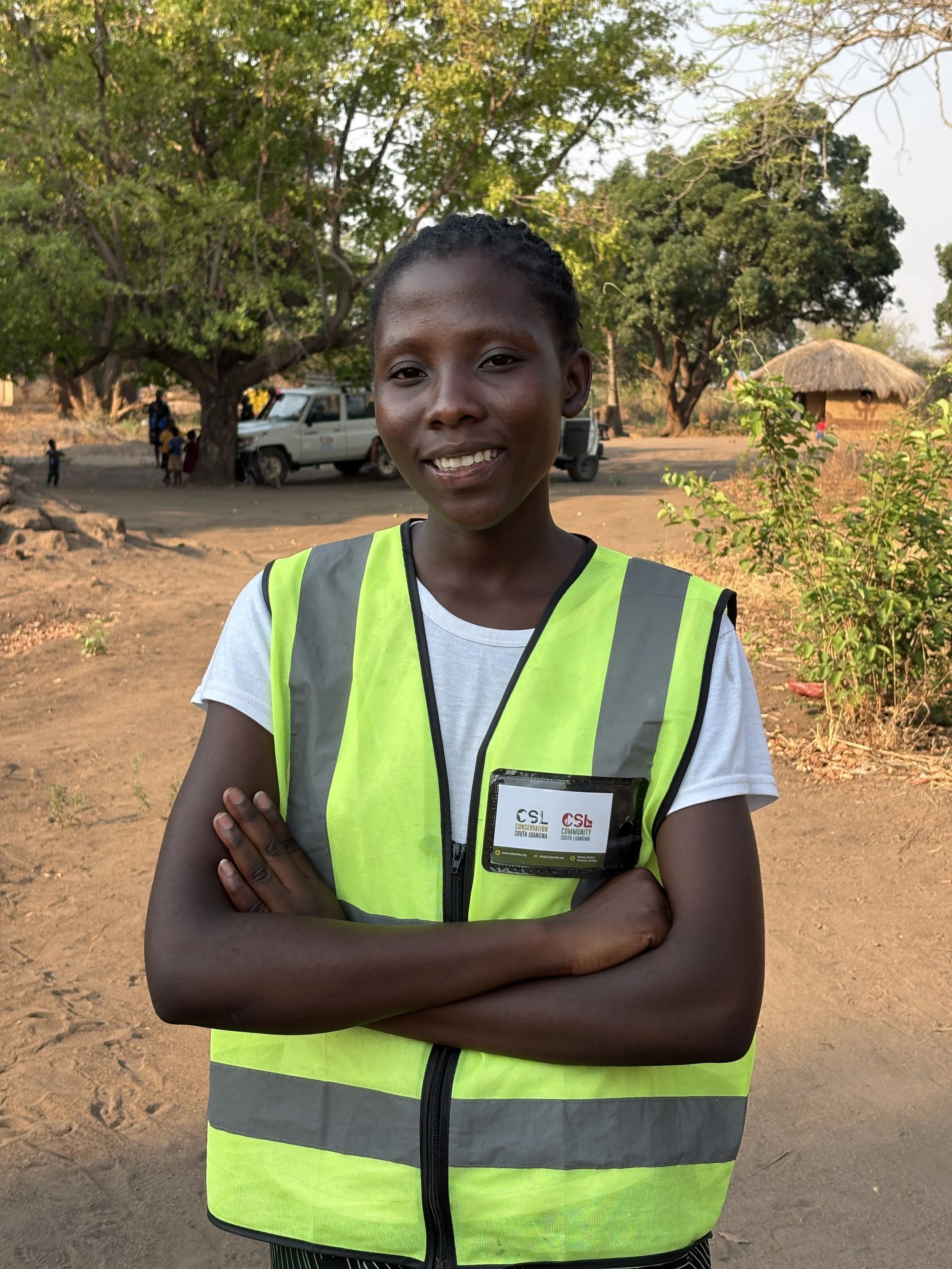
memory chapotA
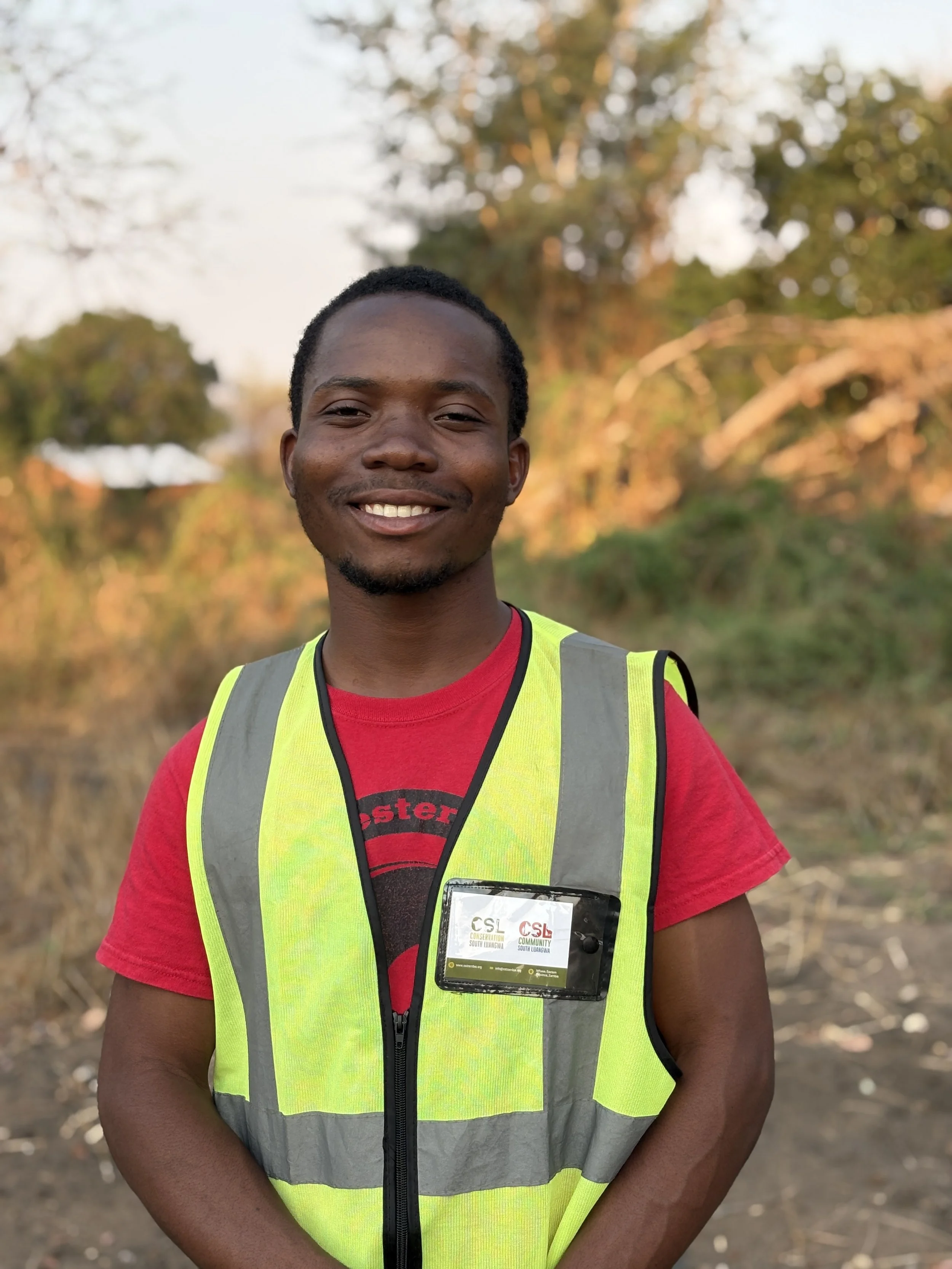
ROBERT SAKALA
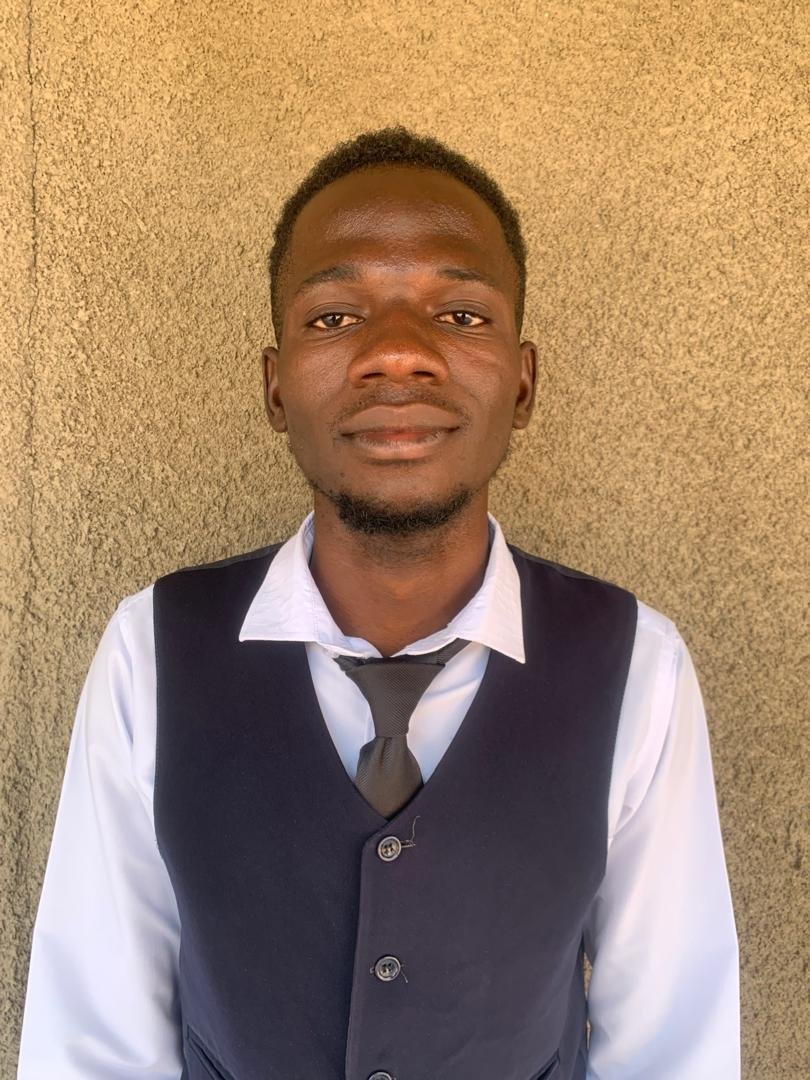
WISDOM NGOMA
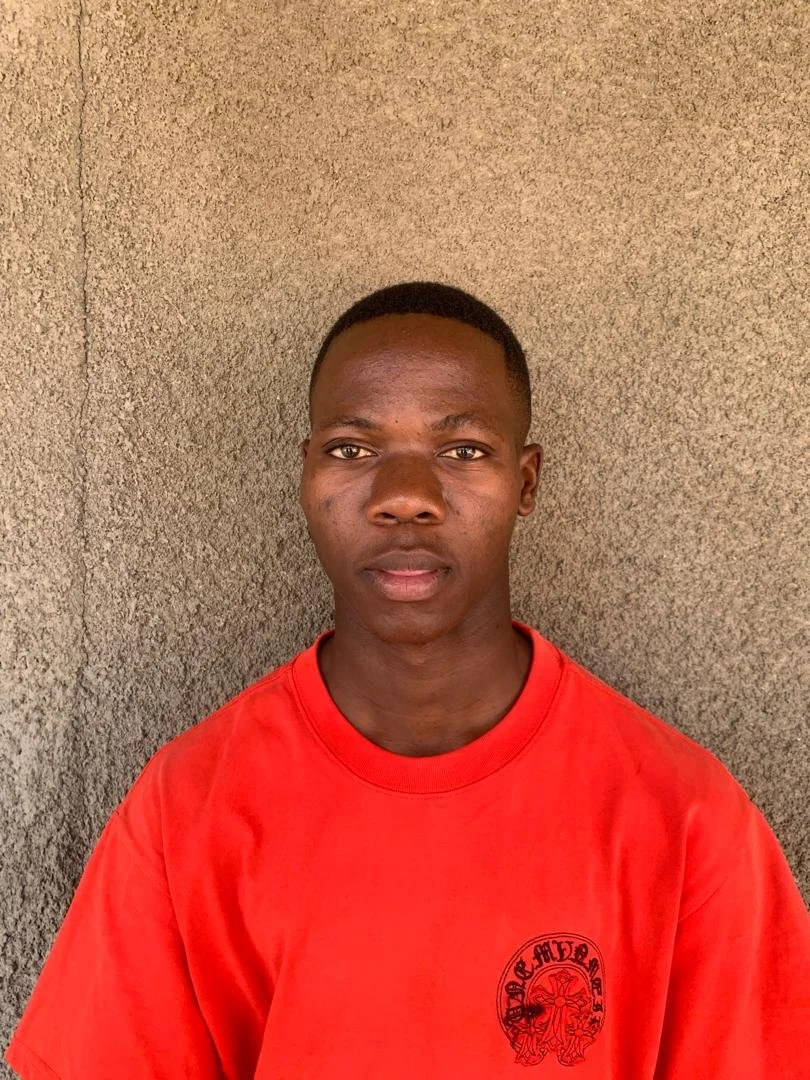
PETER MWANZA
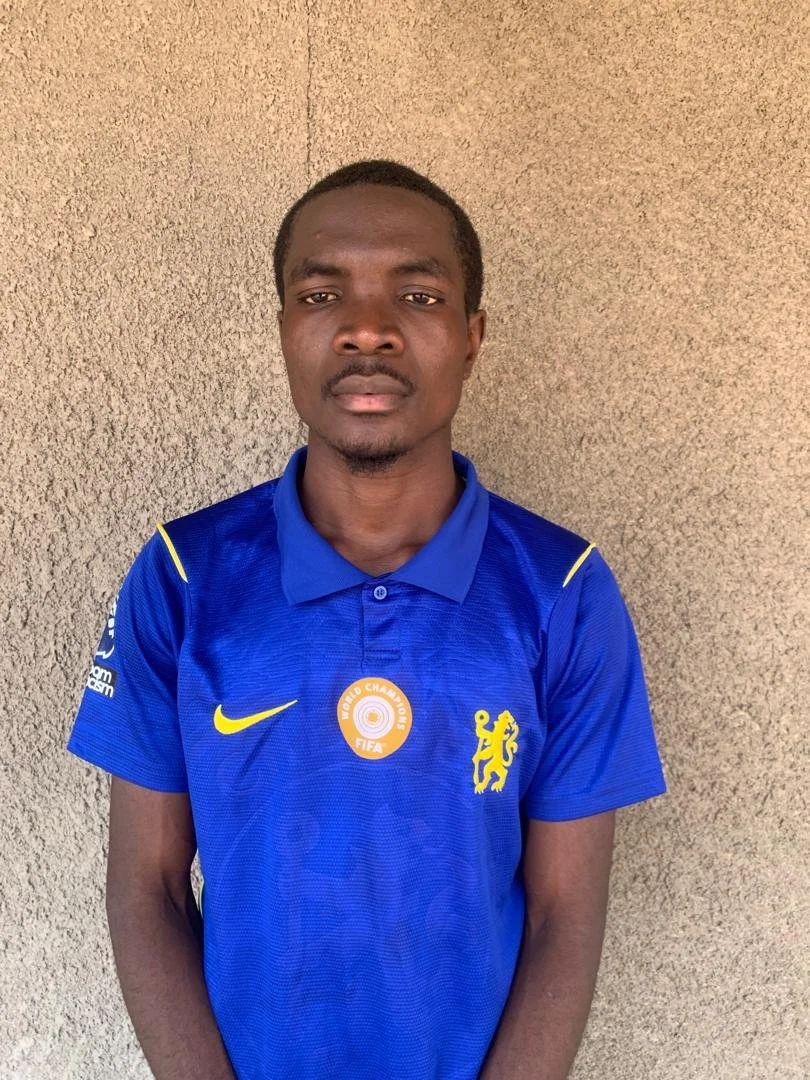
CEAsar Banda
Chisomo hopes to study Environmental Education and Management at the University of Zambia. During the exercise, he interviewed men aged 18 to 35 and described gaining confidence in engaging young people in community conversations. He sees these skills as relevant to a future career in environmental education and community engagement.
“The skill I've gained through this enumeration programme is community engagement.”
Ireen hopes to study Wildlife Management at Copperbelt University. Initially concerned about approaching community members and communicating across different languages and expectations, she found the field experience helped her adapt and become more confident in conducting interviews.
“It turned out to be an exciting journey.”
Chifumu hopes to study Ecology and Wildlife Management at the University of Zambia. He said the fieldwork helped him understand conservation beyond theory and gave him an opportunity to hear from people directly affected by human-wildlife conflict. He also reflected on the importance of clear communication and managing expectations during community engagement.
“The fieldwork showed me what conservation actually looks like.”
Michelle hopes to study Hospitality and Tourism Management at Copperbelt University. She described beginning the training with little experience in data collection and community interaction, but gradually learning how to ask questions, communicate with different people and adapt to different environments.
“I learned how to interact with different kinds of people, adapt to different environments.”
Jacqueline plans to study Youth Development and Leadership at the University of Zambia. Her interviews helped her recognise that people experience human-wildlife conflict differently. She reflected on the importance of understanding people’s emotions, recognising discomfort and listening without judging.
“I'm not here to judge them, but to understand how they are living with elephants.”
Susan plans to study Water Management at the Livingstone International University of Tourism Excellence and Business Management. She initially worried that community members might judge her because of her age and height. The experience helped her learn to cooperate with people, understand their challenges and listen to their concerns.
“We have to listen to them.”
Esnart plans to study Natural Resource Management at the Livingstone International University of Tourism Excellence and Business Management. She described learning from people’s experiences and recognising the importance of respecting personal boundaries, particularly when someone does not wish to take part in an interview.
“I will always respect people's boundaries and their space.”
Dorothy plans to study Environmental Education and Management at the University of Zambia. The exercise helped her recognise her ability to work independently and lead. She also described developing resilience and learning how to understand and respond to people’s emotions during difficult conversations.
“I realised that I can do it, I can lead, I can become a leader.”
Kenneth hopes to study Agroecology at the University of Zambia. Passionate about farming, he said the exercise taught him to adapt his communication style to the people he is speaking with and to recognise when humour is appropriate and when a more serious approach is needed.
“I've learned how to approach people.”
Grace hopes to study Public Administration at Mulungushi University. Interviewing people from different age groups and backgrounds gave her experience in adapting her approach to different personalities, languages and environments. She sees the experience as useful preparation for her future working life.
“I learned different approaches to use with different kinds of people from different places.”
Precious hopes to study Safari Guiding at Bedrock University in Livingstone. Although her first interview was challenging, she said the experience helped her become more confident in interacting with different people. She also connected community engagement skills to her future ambition of guiding and educating visitors in the field.
“As a safari guide, I'll be in the field and will be like a teacher.”
Memory plans to pursue Veterinary Medicine at the University of Zambia. She highlighted the importance of patience and adapting to different personalities during community engagement. Her strongest reflection was that communities experiencing conservation challenges should be included in decisions and initiatives that affect them.
“Communities are the ones experiencing these hardships, and they need to be included in everything we do as an organisation.”
Robert Sakala Robert aspires to become a safari guide through training at Nyamaluma or Bedrock. During the enumeration exercise, he interviewed men aged six to 50 and gained practical experience in approaching diverse community members, overcoming local language barriers such as Bisa, and adapting his communication to different backgrounds. He values these community interaction skills as key prep for his future career in safari guiding.
“I was facing different people from different areas and different languages, so I was ready for everything.”
Wisdom hopes to study Wildlife Management and Ecology at the University of Zambia. He described strengthening his communication and interpersonal skills, including building trust, listening actively and engaging respectfully. He also highlighted accurate data collection, confidentiality and cultural sensitivity as important parts of conservation work.
“Protecting wildlife and ecosystems also requires involving the people who live alongside them.”
Peter hopes to study Monitoring and Evaluation at ZCAS University. As an enumerator, he gathered information about how CSL supports communities in reducing human-wildlife conflict. He said the experience strengthened his understanding of how data can help identify challenges, assess projects and inform better solutions.
“My main takeaway is that data helps us understand problems and find better solutions.”
Caesar hopes to study Natural Resources Management at Copperbelt University. He described the programme as an educational experience that strengthened his understanding of teamwork, communication and accurate data collection, as well as the importance of involving communities in addressing environmental challenges.
“I learned the importance of teamwork, accurate data collection, communication, and involving communities.”
Investing in the next generation of conservation leaders
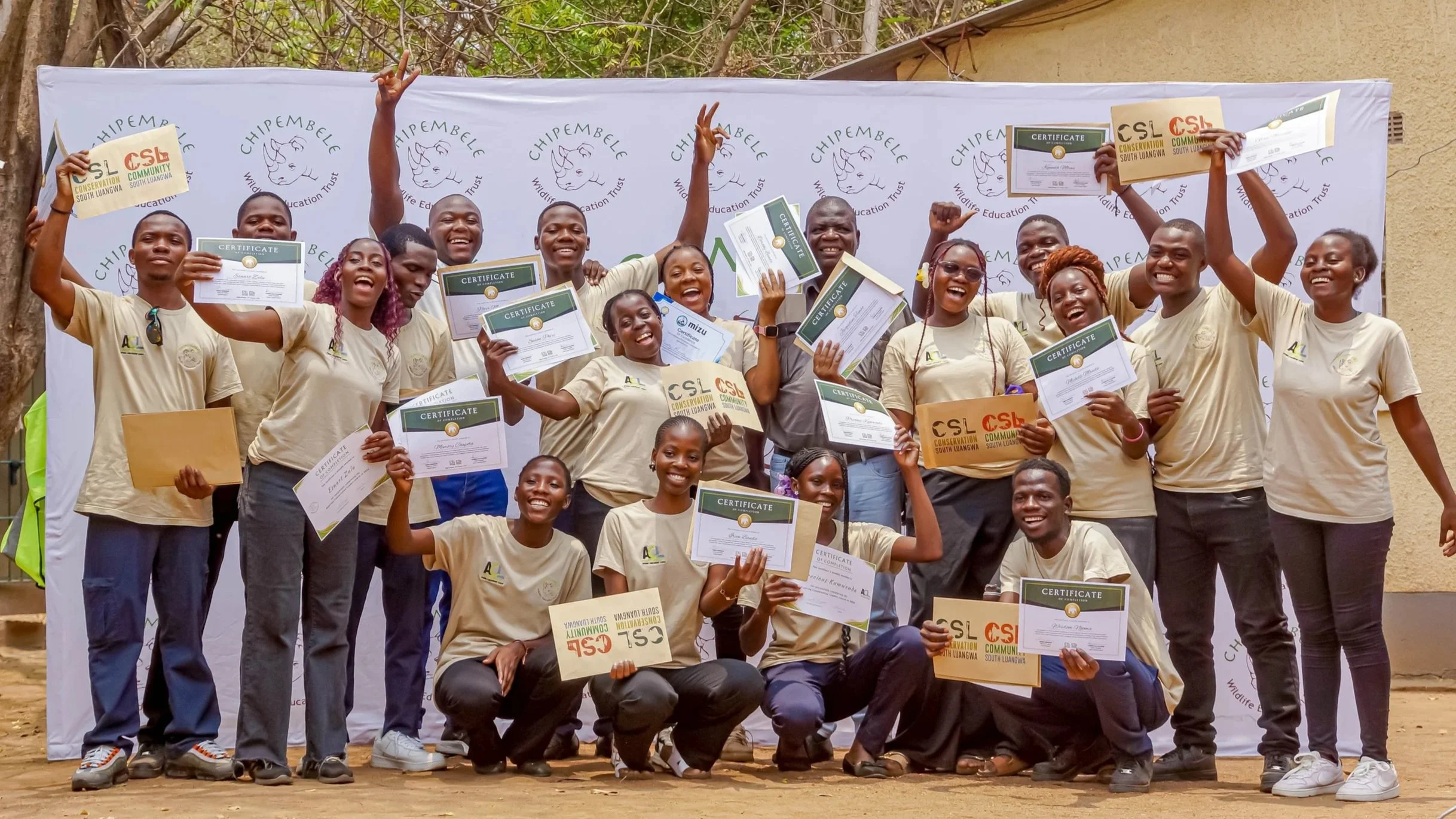
The reflections shared by the Aspiring Conservation Leaders show that conservation is not only about understanding wildlife and ecosystems. It is also about understanding people, listening to lived experiences and recognising the importance of community knowledge in shaping effective responses to conservation challenges.
For these young people, the exercise offered practical experience in communication, interviewing, data collection, teamwork and community engagement. Their ambitions span environmental education, wildlife management, ecology, veterinary medicine, agroecology, tourism, public administration and monitoring and evaluation. Although their intended fields of study differ, their reflections point to a shared understanding: the future of conservation depends on people who can connect knowledge with the needs and experiences of communities.
In South Luangwa, where people and wildlife share a landscape of significant ecological importance, these skills are essential. By creating opportunities for young people to learn from communities and take part in conservation conversations, initiatives such as this help build a stronger foundation for informed, inclusive and lasting coexistence.
The film is one way of starting the conversation. The voices of the communities and the reflections of the next generation help carry it forward.
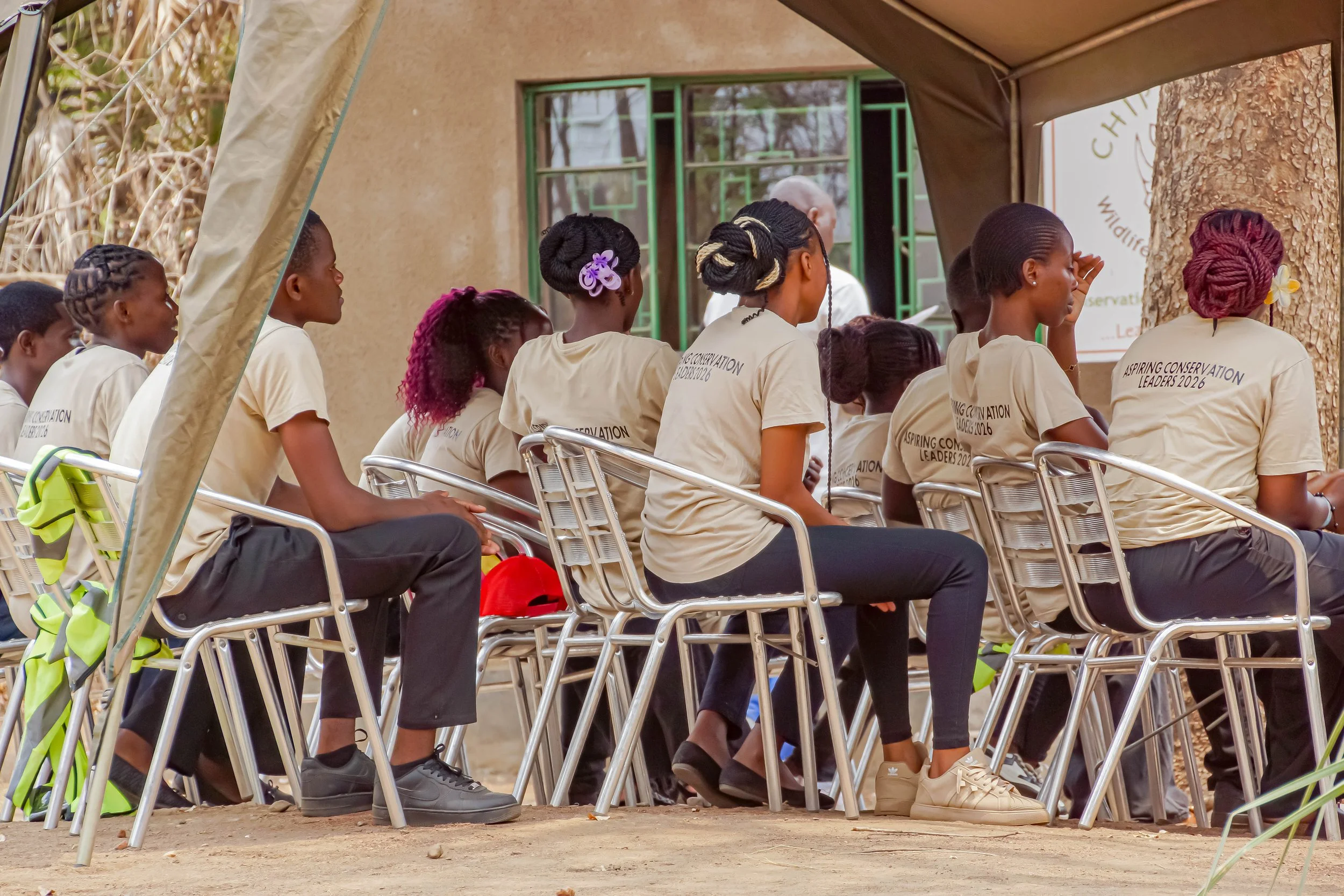
“Listening to communities today helps shape the conservation leaders of tomorrow.”